
Overview
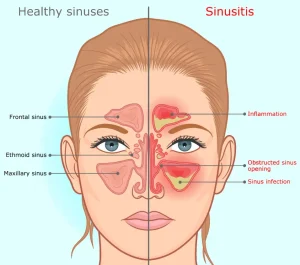
Chronic sinusitis, also known as chronic rhinosinusitis, is a condition in which the sinuses become inflamed and swollen for 12 weeks or longer, despite treatment attempts. This ongoing inflammation prevents normal mucus drainage and leads to persistent nasal and facial symptoms.
The condition can significantly affect breathing, sleep quality, sense of smell, and overall quality of life. Chronic sinusitis may occur with or without nasal polyps and often develops after repeated acute sinus infections or long-standing nasal inflammation.
Symptoms
Symptoms of chronic sinusitis are usually long-lasting and may be milder than acute sinus infections but more persistent.
Common symptoms include:
-
Nasal congestion or blockage
-
Thick nasal discharge, which may be yellow or green
-
Postnasal drip
-
Facial pain, pressure, or fullness
-
Reduced or lost sense of smell and taste
-
Headache
-
Fatigue
-
Bad breath
-
Ear pain or pressure
-
Cough, especially at night
Symptoms may worsen during respiratory infections or allergy flare-ups.
Causes
Chronic sinusitis develops when ongoing inflammation blocks the sinus openings, preventing proper mucus drainage.
Possible causes include:
-
Recurrent acute sinus infections
-
Nasal polyps
-
Allergic rhinitis
-
Deviated nasal septum
-
Respiratory tract infections
-
Exposure to air pollution or irritants
-
Immune system disorders
-
Fungal infections in some cases
Often, multiple factors contribute to chronic inflammation.
Risk Factors
Certain factors increase the likelihood of developing chronic sinusitis.
These include:
-
Ongoing allergies or asthma
-
Frequent upper respiratory infections
-
Nasal structural abnormalities
-
Smoking or exposure to secondhand smoke
-
Weakened immune system
-
Long-term exposure to pollutants or allergens
Managing these risk factors can help reduce recurrence.
Complications
If left untreated, chronic sinusitis can lead to complications, although serious outcomes are uncommon.
Possible complications include:
-
Persistent headaches and facial pain
-
Reduced sense of smell
-
Spread of infection to nearby structures, such as the eyes or brain
-
Chronic fatigue
-
Sleep disturbances
-
Worsening asthma symptoms
Early medical care reduces the risk of complications.
Prevention
While chronic sinusitis cannot always be prevented, certain measures can lower the risk or reduce symptom severity.
Preventive strategies include:
-
Managing allergies effectively
-
Practicing good hand hygiene to prevent infections
-
Avoiding cigarette smoke and environmental pollutants
-
Using humidifiers to maintain moist nasal passages
-
Staying well hydrated
-
Treating nasal congestion early
-
Following medical advice for sinus and nasal conditions
Consistent management and lifestyle adjustments can help control symptoms and improve long-term sinus health.
Advertisement
