
Overview
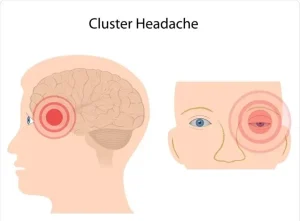
Cluster headache is a rare but extremely painful type of primary headache disorder characterized by repeated attacks of severe, one-sided head pain. The pain is typically centered around or behind one eye and occurs in clusters, meaning frequent attacks over weeks or months followed by periods of remission.
Cluster headaches are often described as one of the most intense forms of pain. They affect men more commonly than women and usually begin in early adulthood. Although not life-threatening, the condition can significantly disrupt daily life.
Symptoms
Cluster headache attacks occur suddenly and follow a predictable pattern during a cluster period.
Common symptoms include:
-
Severe, sharp, or burning pain on one side of the head
-
Pain located around or behind one eye or temple
-
Restlessness or inability to sit still during an attack
-
Redness of the affected eye
-
Tearing of the eye on the painful side
-
Drooping eyelid
-
Nasal congestion or runny nose on the affected side
-
Facial sweating
-
Sensitivity to light or sound
Attacks usually last from 15 minutes to 3 hours and may occur multiple times a day.
Causes
The exact cause of cluster headaches is not fully understood. They are believed to involve abnormal activity in the hypothalamus, the part of the brain that controls biological rhythms.
Possible contributing factors include:
-
Dysfunction of the hypothalamus
-
Abnormal activation of the trigeminal nerve
-
Changes in blood vessels in the brain
-
Imbalance of certain brain chemicals
Cluster headaches are not caused by stress or muscle tension.
Risk Factors
Certain factors increase the risk of developing cluster headaches.
These include:
-
Male sex
-
Age between 20 and 50 years
-
Family history of cluster headaches
-
Smoking
-
Alcohol use, especially during cluster periods
Alcohol can trigger attacks during an active cluster phase.
Complications
While cluster headaches do not cause structural brain damage, they can lead to significant complications due to their severity and frequency.
Possible complications include:
-
Severe sleep disturbances
-
Anxiety or depression
-
Reduced work productivity
-
Social isolation
-
Increased risk of substance misuse for pain relief
The intense pain can have a profound emotional impact.
Prevention
Although cluster headaches cannot always be prevented, certain strategies can help reduce attack frequency and severity.
Preventive measures include:
-
Avoiding alcohol during cluster periods
-
Quitting smoking
-
Following prescribed preventive medications
-
Maintaining regular sleep patterns
-
Identifying and avoiding personal triggers
-
Seeking early medical care when cluster patterns begin
With proper medical management and lifestyle adjustments, many individuals with cluster headaches can achieve better symptom control and improved quality of life.
Request an appointment
Advertisement
