
Overview
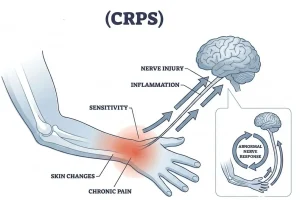
Complex Regional Pain Syndrome (CRPS) is a chronic pain condition that typically affects an arm or a leg and usually develops after an injury, surgery, stroke, or heart attack. The pain experienced is disproportionate to the original injury and may persist long after the initial damage has healed. CRPS is thought to involve abnormal responses of the nervous system and inflammation.
Symptoms
Symptoms of Complex Regional Pain Syndrome can vary in severity and may change over time. Common symptoms include:
-
Persistent, intense pain described as burning, throbbing, or stabbing
-
Sensitivity to touch or temperature
-
Swelling of the affected limb
-
Changes in skin color, temperature, or texture
-
Decreased range of motion and stiffness
-
Muscle weakness or tremors in the affected area
Causes
The exact cause of Complex Regional Pain Syndrome is not fully understood. It is believed to result from dysfunction in the central or peripheral nervous system following trauma. Abnormal inflammation and altered pain signaling contribute to the condition, causing exaggerated and prolonged pain responses even after minor injuries.
Risk Factors
Certain factors may increase the likelihood of developing CRPS, including:
-
Trauma such as fractures, sprains, or surgical procedures
-
Nerve injury
-
Prolonged immobilization of a limb
-
Female sex, as CRPS is more commonly diagnosed in women
-
History of migraines, asthma, or other inflammatory conditions
Complications
Without appropriate treatment, CRPS can lead to several complications:
-
Progressive loss of mobility and muscle atrophy
-
Chronic swelling and joint stiffness
-
Skin and bone changes, including thinning of bones
-
Psychological effects such as anxiety or depression
-
Long-term disability affecting daily activities
Prevention
There is no guaranteed way to prevent Complex Regional Pain Syndrome, but early intervention can reduce the risk of severe or long-term symptoms. Preventive strategies include:
-
Prompt treatment and rehabilitation after injuries or surgery
-
Early mobilization and physical therapy when appropriate
-
Effective pain management in the early stages of injury
-
Regular follow-up for persistent or worsening pain symptoms
Request an appointment
Advertisement
