
Overview
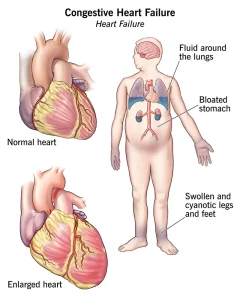
Congenital heart disease in adults refers to heart defects that are present from birth and persist into adulthood. Advances in diagnosis and treatment have allowed many individuals with congenital heart disease to survive into adult life, sometimes with repaired or partially corrected defects. These conditions can range from mild abnormalities with minimal symptoms to complex heart defects that require ongoing medical care and monitoring.
Symptoms
Symptoms of congenital heart disease in adults vary depending on the type and severity of the defect and whether it was previously treated. Some adults may remain symptom-free for years, while others develop symptoms later in life. Common symptoms include:
-
Shortness of breath during activity or at rest
-
Fatigue or reduced exercise tolerance
-
Heart palpitations or irregular heartbeat
-
Swelling of the legs, ankles, or abdomen
-
Bluish discoloration of lips or fingertips in some cases
-
Dizziness or fainting episodes
-
Chest discomfort
Causes
Congenital heart disease in adults is caused by abnormal heart development during fetal life. These structural defects may involve the heart chambers, valves, or major blood vessels. While the defect is present at birth, symptoms may not appear until adulthood due to gradual changes in heart function or increased demands on the heart over time.
Risk Factors
Several factors may influence the presence and progression of congenital heart disease in adults:
-
History of congenital heart defect diagnosed or treated in childhood
-
Family history of congenital heart disease
-
Genetic or chromosomal abnormalities
-
Incomplete repair or residual defects after childhood surgery
-
Aging-related changes in heart function
Complications
Adults with congenital heart disease may experience a range of complications:
-
Heart failure
-
Abnormal heart rhythms
-
Pulmonary hypertension
-
Increased risk of stroke or blood clots
-
Valve dysfunction
-
Endocarditis, an infection of the heart lining
-
Reduced quality of life due to chronic symptoms
Prevention
Congenital heart disease itself cannot be prevented, as it develops before birth. However, complications can often be reduced with appropriate care:
-
Lifelong follow-up with a cardiologist experienced in congenital heart disease
-
Regular heart imaging and functional assessments
-
Adherence to prescribed medications and treatment plans
-
Healthy lifestyle choices, including balanced diet and appropriate physical activity
-
Preconception counseling for individuals with congenital heart disease planning pregnancy
Advertisement
