
Overview
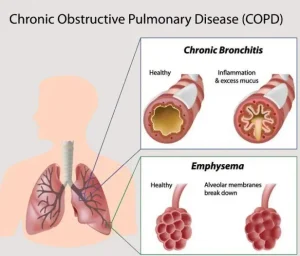
Chronic obstructive pulmonary disease (COPD) is a long-term lung condition characterized by persistent airflow limitation that makes breathing difficult. It primarily includes chronic bronchitis and emphysema and is most commonly caused by long-term exposure to harmful substances, especially tobacco smoke. COPD is a progressive disease, meaning symptoms typically worsen over time, but early diagnosis and proper management can significantly improve quality of life.
Symptoms
Symptoms of chronic obstructive pulmonary disease often develop gradually and may not be noticeable in the early stages. Common symptoms include:
-
Shortness of breath, especially during physical activity
-
Chronic cough that may produce mucus
-
Wheezing or chest tightness
-
Frequent respiratory infections
-
Fatigue or reduced exercise tolerance
-
Cyanosis, or bluish discoloration of lips or fingernails in advanced stages
-
Unintentional weight loss in severe disease
Causes
COPD is caused by long-term damage to the airways and air sacs in the lungs. The most common cause is cigarette smoking, including exposure to secondhand smoke. Other causes include long-term exposure to air pollution, occupational dusts and chemicals, and indoor smoke from biomass fuels. In rare cases, a genetic condition such as alpha-1 antitrypsin deficiency contributes to the development of COPD.
Risk Factors
Several factors increase the risk of developing chronic obstructive pulmonary disease:
-
Cigarette smoking or tobacco use
-
Long-term exposure to air pollution or chemical fumes
-
Occupational exposure to dust or smoke
-
History of frequent childhood respiratory infections
-
Genetic conditions affecting lung health
-
Advancing age
Complications
As COPD progresses, it can lead to multiple complications:
-
Frequent exacerbations or flare-ups
-
Respiratory failure in advanced stages
-
Pulmonary hypertension
-
Heart problems, including right-sided heart failure
-
Increased risk of lung infections
-
Reduced physical activity and quality of life
-
Anxiety and depression related to chronic illness
Prevention
Chronic obstructive pulmonary disease is largely preventable through risk reduction strategies:
-
Avoiding smoking and exposure to secondhand smoke
-
Reducing exposure to air pollutants and occupational hazards
-
Using protective equipment in high-risk work environments
-
Receiving recommended vaccinations, including influenza and pneumonia vaccines
-
Early medical evaluation for chronic cough or breathing difficulties
-
Maintaining a healthy lifestyle with regular physical activity and balanced nutrition
Request an appointment
Advertisement
