
Overview
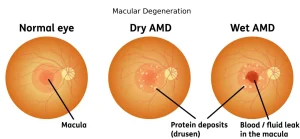
Dry macular degeneration, also known as dry age-related macular degeneration, is a common eye condition that affects the macula, the central part of the retina responsible for sharp, detailed vision. It develops gradually and is characterized by thinning of the macula and the accumulation of small yellow deposits called drusen. Dry macular degeneration is the more common form of macular degeneration and usually progresses slowly over time.
Symptoms
Symptoms of dry macular degeneration often develop gradually and may not be noticeable in the early stages:
-
Blurred or reduced central vision
-
Difficulty reading or recognizing faces
-
Need for brighter light when doing close-up tasks
-
Increased sensitivity to glare
-
Distortion or waviness of straight lines
-
Dark or empty areas in the center of vision in advanced stages
Peripheral vision is usually preserved.
Causes
Dry macular degeneration occurs due to age-related changes in the retina. Over time, the macula becomes thinner and damaged, affecting its ability to function properly. The buildup of drusen interferes with nutrient and oxygen delivery to retinal cells. Genetic factors, oxidative stress, and long-term exposure to environmental influences are believed to contribute to the development of the condition.
Risk Factors
Several factors increase the risk of developing dry macular degeneration:
-
Advancing age, particularly over 50
-
Family history of macular degeneration
-
Smoking
-
Obesity or poor diet
-
High blood pressure or cardiovascular disease
-
Prolonged exposure to ultraviolet light
The presence of multiple risk factors increases the likelihood of disease progression.
Complications
Dry macular degeneration can lead to complications, especially as it advances:
-
Progressive loss of central vision
-
Difficulty with daily activities such as reading and driving
-
Increased risk of depression or anxiety due to vision loss
-
Progression to wet macular degeneration in some individuals
Although complete blindness is rare, vision impairment can significantly affect independence.
Prevention
While dry macular degeneration cannot be completely prevented, steps may help slow its progression and protect vision:
-
Regular comprehensive eye examinations
-
Avoiding smoking and exposure to secondhand smoke
-
Eating a balanced diet rich in leafy greens, fruits, and omega-3 fatty acids
-
Managing blood pressure and cardiovascular health
-
Wearing sunglasses to protect eyes from ultraviolet light
-
Following eye care recommendations, including nutritional supplements if advised
Early detection and ongoing eye care play a key role in preserving vision and quality of life.
Request an appointment
Advertisement
