
Overview
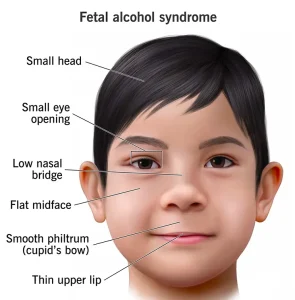
Fetal alcohol syndrome is a condition that occurs in a child as a result of alcohol exposure during pregnancy. Alcohol crosses the placenta and interferes with normal fetal development, leading to physical, behavioral, and cognitive abnormalities. Fetal alcohol syndrome is part of a broader group known as fetal alcohol spectrum disorders and represents the most severe form. The condition is lifelong and completely preventable.
Symptoms
Symptoms of fetal alcohol syndrome can vary in severity and may affect physical appearance, growth, and brain development:
-
Distinct facial features such as small eye openings, thin upper lip, and smooth philtrum
-
Poor growth before and after birth
-
Low body weight or short stature
-
Delayed development and learning difficulties
-
Poor memory, attention problems, or impaired judgment
-
Behavioral issues such as hyperactivity or impulsivity
-
Coordination and balance problems
-
Hearing or vision difficulties
Symptoms may become more noticeable as the child grows.
Causes
Fetal alcohol syndrome is caused by alcohol consumption during pregnancy. Alcohol disrupts cell development and damages the developing brain and other organs. There is no known safe amount of alcohol during pregnancy, and the risk increases with higher or more frequent alcohol use. Damage can occur at any stage of pregnancy, including early weeks before a woman knows she is pregnant.
Risk Factors
Factors that increase the risk of fetal alcohol syndrome include:
-
Drinking alcohol at any time during pregnancy
-
Binge drinking or heavy alcohol use
-
Drinking throughout pregnancy
-
Poor nutrition during pregnancy
-
Previous child with fetal alcohol spectrum disorder
-
Limited access to prenatal care
The risk is higher with increased frequency and quantity of alcohol exposure.
Complications
Fetal alcohol syndrome can lead to long-term complications that persist into adulthood:
-
Permanent intellectual disability
-
Learning and academic difficulties
-
Behavioral and mental health disorders
-
Difficulty with social interactions and independent living
-
Increased risk of substance use disorders later in life
-
Problems with employment and legal issues
Early intervention can help improve functional outcomes but does not reverse the condition.
Prevention
Fetal alcohol syndrome is entirely preventable by avoiding alcohol during pregnancy:
-
Do not drink alcohol if pregnant or trying to conceive
-
Seek medical advice if alcohol was consumed before pregnancy was recognized
-
Access prenatal care early and throughout pregnancy
-
Participate in alcohol cessation programs if needed
-
Increase public awareness about the risks of alcohol use during pregnancy
Complete abstinence from alcohol during pregnancy is the only proven way to prevent fetal alcohol syndrome.
Advertisement
