
Overview
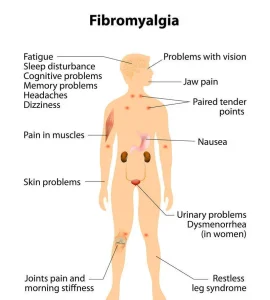
Fibromyalgia is a chronic condition characterized by widespread musculoskeletal pain accompanied by fatigue, sleep disturbances, and cognitive difficulties. It affects how the brain and spinal cord process pain signals, leading to increased sensitivity to pain. Fibromyalgia can affect people of all ages but is more common in women. Although it is a long-term condition, it does not cause joint damage or inflammation and is not life-threatening.
Symptoms
Symptoms of fibromyalgia may vary in severity and can fluctuate over time:
-
Widespread pain affecting both sides of the body
-
Persistent fatigue even after adequate sleep
-
Sleep disturbances, including non-restorative sleep
-
Cognitive difficulties, often described as brain fog
-
Headaches or migraines
-
Muscle stiffness, especially in the morning
-
Sensitivity to light, noise, or temperature
-
Anxiety or depression
Symptoms often worsen with stress, physical activity, or lack of sleep.
Causes
The exact cause of fibromyalgia is not fully understood. It is believed to involve abnormal pain processing in the central nervous system. Factors that may contribute include:
-
Genetic predisposition
-
Physical or emotional trauma
-
Infections
-
Repeated nerve stimulation that alters pain pathways
-
Hormonal imbalances
Fibromyalgia may develop after a triggering event or gradually over time.
Risk Factors
Certain factors increase the likelihood of developing fibromyalgia:
-
Female sex
-
Family history of fibromyalgia
-
Rheumatic diseases such as rheumatoid arthritis or lupus
-
Chronic stress
-
Poor sleep quality
These factors may influence symptom severity and frequency.
Complications
Fibromyalgia can significantly impact daily life and overall well-being:
-
Reduced quality of life
-
Difficulty maintaining work or social activities
-
Chronic fatigue
-
Mental health challenges, including anxiety and depression
-
Increased sensitivity to pain or stress
Early diagnosis and comprehensive management can help reduce complications.
Prevention
There is no known way to prevent fibromyalgia, but symptom management and healthy habits can reduce flare-ups:
-
Maintaining regular sleep routines
-
Managing stress through relaxation techniques
-
Engaging in gentle, regular physical activity
-
Eating a balanced and nutritious diet
-
Seeking early treatment for persistent pain or sleep problems
Ongoing care and lifestyle adjustments play a key role in managing fibromyalgia effectively.
Advertisement
