
Overview
Food allergy is a condition in which the immune system mistakenly identifies certain foods as harmful and triggers an allergic reaction after exposure. Even small amounts of the offending food can cause symptoms, which may range from mild to severe. Food allergies can affect both children and adults and may be life-threatening in some cases, requiring careful management and avoidance of trigger foods.
Symptoms
Symptoms of a food allergy usually appear within minutes to a few hours after eating the triggering food:
-
Itching or tingling in the mouth
-
Hives, rash, or skin redness
-
Swelling of the lips, face, tongue, or throat
-
Abdominal pain, nausea, vomiting, or diarrhea
-
Wheezing, coughing, or shortness of breath
-
Dizziness or fainting
Severe reactions may lead to anaphylaxis, a medical emergency.
Causes
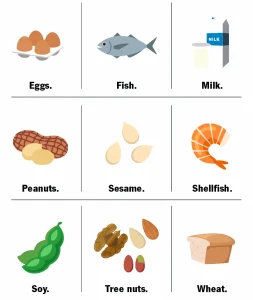
Food allergy occurs when the immune system produces antibodies against specific food proteins. On exposure, these antibodies trigger the release of chemicals such as histamine, leading to allergic symptoms. Common food allergens include:
-
Peanuts
-
Tree nuts
-
Milk
-
Eggs
-
Fish and shellfish
-
Wheat
-
Soy
The exact reason why some individuals develop food allergies is not fully understood.
Risk Factors
Several factors increase the likelihood of developing food allergies:
-
Family history of allergies or asthma
-
Presence of other allergic conditions such as eczema or hay fever
-
Young age, especially infancy and early childhood
-
Weakened immune system
These factors may influence both the development and severity of food allergies.
Complications
Food allergies can lead to serious and potentially life-threatening complications:
-
Anaphylaxis
-
Severe breathing difficulties
-
Low blood pressure
-
Shock
-
Anxiety and reduced quality of life due to fear of reactions
Prompt recognition and treatment are essential to prevent severe outcomes.
Prevention
While food allergies cannot always be prevented, risk may be reduced with proper strategies:
-
Identifying and strictly avoiding trigger foods
-
Reading food labels carefully
-
Introducing new foods cautiously, especially in infants
-
Carrying emergency medications as prescribed
-
Educating caregivers, teachers, and family members about food allergies
Early diagnosis and careful management help reduce the risk of allergic reactions and complications.
Advertisement
