
Overview
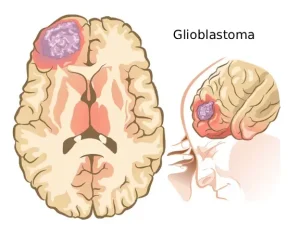
Glioblastoma is an aggressive and fast-growing type of brain cancer that develops from glial cells, which support nerve cells in the brain. It is the most common and severe form of primary malignant brain tumor in adults. Glioblastoma tends to grow rapidly and invade nearby brain tissue, making it difficult to treat. Despite advances in therapy, it remains a serious condition that requires prompt and specialized medical care.
Symptoms
Symptoms of glioblastoma vary depending on the tumor’s size and location in the brain. They often worsen over time and may include:
-
Persistent or worsening headaches
-
Seizures, especially new-onset seizures in adults
-
Nausea or vomiting, often worse in the morning
-
Changes in personality or behavior
-
Difficulty with speech or understanding language
-
Weakness or numbness on one side of the body
-
Vision problems
-
Memory loss or difficulty concentrating
Symptoms may progress rapidly due to the tumor’s aggressive nature.
Causes
The exact cause of glioblastoma is not fully understood. It occurs when genetic changes cause brain cells to grow uncontrollably. Possible contributing factors include:
-
Spontaneous genetic mutations in brain cells
-
Abnormal cell signaling that promotes rapid growth
-
Rare inherited genetic conditions
Most cases develop without a clear trigger and are not inherited.
Risk Factors
Several factors may increase the risk of developing glioblastoma, including:
-
Older age
-
Male sex
-
Exposure to high levels of radiation to the head during childhood
-
Certain rare genetic disorders
In many cases, no specific risk factors can be identified.
Complications
Glioblastoma can lead to serious neurological and systemic complications. Possible complications include:
-
Progressive loss of brain function
-
Increased pressure within the skull
-
Seizure disorders
-
Difficulty speaking, moving, or thinking clearly
-
Reduced independence and quality of life
Complications often worsen as the tumor grows or recurs.
Prevention
There is no known way to prevent glioblastoma, as most cases occur sporadically. However, certain measures may support early detection and care:
-
Seeking medical evaluation for persistent neurological symptoms
-
Prompt investigation of new or unexplained seizures
-
Ongoing follow-up for individuals with known risk factors
Early diagnosis and timely treatment can help manage symptoms and improve overall outcomes, even though a cure is currently not available.
Advertisement
