
Overview
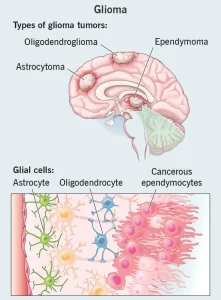
Glioma is a type of tumor that develops from glial cells, which are supportive cells in the brain and spinal cord. These tumors can vary widely in how fast they grow and how aggressive they are. Gliomas are classified into different types and grades based on the specific glial cells involved and how abnormal the tumor cells appear. They can affect brain function depending on their size, location, and growth rate.
Symptoms
Symptoms of glioma depend on the tumor’s location and rate of growth. They may develop gradually or appear suddenly. Common symptoms include:
-
Persistent headaches that may worsen over time
-
Seizures
-
Nausea or vomiting
-
Changes in vision or speech
-
Difficulty with balance or coordination
-
Weakness or numbness in parts of the body
-
Memory problems or difficulty concentrating
-
Personality or behavior changes
Symptoms often progress as the tumor grows.
Causes
The exact cause of glioma is not fully understood. Gliomas develop when genetic changes cause glial cells to grow uncontrollably. Possible contributing factors include:
-
Spontaneous genetic mutations
-
Abnormal cell signaling in the brain
-
Rare inherited genetic syndromes
Most gliomas occur without a known cause and are not inherited.
Risk Factors
Several factors may increase the risk of developing glioma, including:
-
Exposure to high levels of radiation to the head, especially during childhood
-
Certain inherited genetic disorders
-
Older age for some types of glioma
-
Male sex, with slightly higher incidence
Many people with glioma do not have identifiable risk factors.
Complications
Gliomas can cause serious complications due to their location and potential to grow or spread within the brain. Possible complications include:
-
Increased pressure inside the skull
-
Long-term neurological deficits
-
Seizure disorders
-
Impaired speech, movement, or cognition
-
Reduced quality of life
Higher-grade gliomas tend to cause more severe complications.
Prevention
There is no proven way to prevent glioma, as most cases develop unpredictably. However, steps may help with early detection and management:
-
Seeking medical attention for persistent headaches or new seizures
-
Prompt evaluation of unexplained neurological symptoms
-
Regular monitoring for individuals with known genetic risk factors
Early diagnosis and appropriate treatment are important for managing glioma and reducing symptom severity.
Advertisement
