
Overview
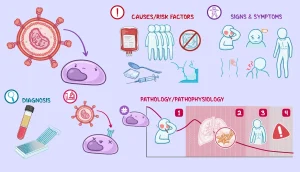
HIV/AIDS is a chronic viral condition caused by the Human Immunodeficiency Virus (HIV). The virus attacks the immune system, specifically the CD4 cells (T cells), which help the body fight infections. Over time, if untreated, HIV weakens the immune system and can lead to Acquired Immunodeficiency Syndrome (AIDS), the most advanced stage of the infection.
HIV is a manageable condition with modern antiretroviral therapy (ART). With proper treatment, people living with HIV can lead long, healthy lives and significantly reduce the risk of transmitting the virus to others.
AIDS is diagnosed when the immune system becomes severely damaged or when certain opportunistic infections or cancers develop.
Symptoms
HIV symptoms vary depending on the stage of infection.
Acute HIV infection (2 to 4 weeks after exposure) may cause flu-like symptoms, including:
-
Fever
-
Sore throat
-
Swollen lymph nodes
-
Rash
-
Fatigue
-
Muscle aches
-
Night sweats
This stage may be mild or unnoticed.
Chronic HIV infection may not cause symptoms for years while the virus continues to damage the immune system.
Advanced HIV (AIDS) may include:
-
Rapid weight loss
-
Persistent fever
-
Chronic diarrhea
-
Severe fatigue
-
Recurrent infections
-
Pneumonia
-
Skin lesions
-
Neurological symptoms
Without treatment, the immune system becomes too weak to fight common infections.
Causes
HIV is caused by infection with the Human Immunodeficiency Virus. The virus spreads through contact with certain body fluids from a person with HIV.
Common modes of transmission include:
-
Unprotected sexual contact
-
Sharing needles or syringes
-
Blood transfusions with infected blood (rare in countries with screening)
-
From mother to child during pregnancy, childbirth, or breastfeeding
HIV is not spread through casual contact, hugging, sharing food, or insect bites.
Risk Factors
Factors that increase the risk of HIV infection include:
-
Unprotected sex
-
Multiple sexual partners
-
Having another sexually transmitted infection
-
Sharing injection drug equipment
-
Receiving contaminated blood products
-
Lack of regular HIV testing
Certain populations may have higher risk based on exposure patterns and limited access to preventive healthcare.
Complications
If untreated, HIV can progress to AIDS and lead to severe complications.
Possible complications include:
-
Opportunistic infections such as tuberculosis or fungal infections
-
Certain cancers such as Kaposi sarcoma and lymphoma
-
Severe weight loss (wasting syndrome)
-
Neurological disorders
-
Chronic kidney disease
-
Cardiovascular disease
With proper treatment, many of these complications can be prevented.
Prevention
HIV is preventable with appropriate precautions and medical strategies.
Preventive measures include:
-
Using condoms consistently and correctly
-
Limiting the number of sexual partners
-
Regular HIV testing
-
Pre-exposure prophylaxis (PrEP) for high-risk individuals
-
Post-exposure prophylaxis (PEP) after potential exposure
-
Avoiding sharing needles
-
Screening of blood products
-
Antiretroviral treatment during pregnancy to prevent mother-to-child transmission
Early diagnosis and consistent use of antiretroviral therapy not only protect health but also reduce viral load to undetectable levels, which effectively prevents sexual transmission.
Advertisement
