
Overview
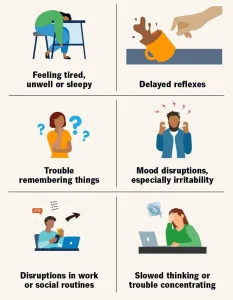
Insomnia is a common sleep disorder characterized by difficulty falling asleep, staying asleep, or waking up too early and being unable to return to sleep. It can be short-term (acute) or long-term (chronic) and often affects daily functioning, mood, and overall health. Insomnia may occur on its own or be associated with medical, psychological, or lifestyle factors.
Symptoms
-
Difficulty falling asleep at night
-
Frequent awakenings during the night
-
Waking up too early in the morning
-
Feeling unrefreshed after sleep
-
Daytime fatigue or sleepiness
-
Difficulty concentrating or memory problems
-
Irritability or mood disturbances
Causes
Insomnia can result from a variety of factors, including:
-
Stress, anxiety, or depression
-
Irregular sleep schedules or shift work
-
Excessive screen time before bed
-
Caffeine, nicotine, or alcohol use
-
Chronic pain or medical conditions
-
Medications that interfere with sleep
-
Poor sleep environment
Risk factors
-
Older age
-
Female gender
-
High stress levels
-
Mental health disorders
-
Chronic medical conditions
-
Irregular work schedules
Complications
-
Reduced work or academic performance
-
Increased risk of accidents
-
Weakened immune system
-
Worsening of anxiety or depression
-
Increased risk of cardiovascular disease with chronic insomnia
Prevention
-
Maintaining a consistent sleep schedule
-
Creating a comfortable and quiet sleep environment
-
Limiting caffeine and alcohol intake, especially in the evening
-
Reducing screen time before bedtime
-
Practicing relaxation techniques such as deep breathing or meditation
-
Engaging in regular physical activity, but not close to bedtime
Effective treatment for insomnia may include lifestyle changes, cognitive-behavioral therapy for insomnia (CBT-I), or medications when appropriate. Early management helps improve sleep quality and overall well-being.
Request an appointment
Advertisement
