
Overview
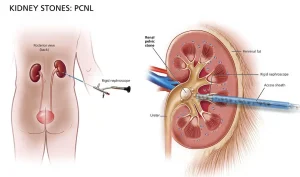
Kidney stones are hard mineral and salt deposits that form inside the kidneys when urine becomes concentrated. This allows minerals to crystallize and stick together. Kidney stones can vary in size and may pass through the urinary tract unnoticed or cause severe pain when they move or block urine flow. The condition is common and can affect people of all ages.
Symptoms
Symptoms of kidney stones often appear suddenly when a stone moves within the kidney or enters the ureter.
Common symptoms include:
-
Severe pain in the lower back or side, often radiating to the lower abdomen or groin
-
Pain that comes in waves and changes intensity
-
Pain during urination
-
Pink, red, or brown urine
-
Cloudy or foul-smelling urine
-
Frequent urge to urinate
-
Nausea and vomiting
-
Fever and chills if infection is present
Causes
Kidney stones form when urine contains more crystal-forming substances than the fluid can dilute.
Common causes include:
-
Dehydration or low fluid intake
-
High levels of calcium, oxalate, or uric acid in urine
-
Certain dietary habits, such as high salt or protein intake
-
Digestive diseases or intestinal surgery affecting absorption
-
Some medications and supplements
Risk Factors
Several factors can increase the likelihood of developing kidney stones.
Risk factors include:
-
Personal or family history of kidney stones
-
Inadequate water intake
-
High-protein, high-sodium, or high-sugar diets
-
Obesity
-
Digestive disorders such as inflammatory bowel disease
-
Certain medical conditions, including gout
-
Living in hot or dry climates
Complications
Most kidney stones pass without causing long-term problems, but complications can occur if stones block urine flow or cause infection.
Possible complications include:
-
Urinary tract infections
-
Kidney infection
-
Obstruction of the urinary tract
-
Reduced kidney function
-
Recurrent stone formation
Prevention
Many kidney stones can be prevented through lifestyle and dietary changes.
Preventive measures include:
-
Drinking enough water to produce clear or pale-yellow urine
-
Reducing salt intake
-
Eating balanced amounts of calcium rather than avoiding it
-
Limiting foods high in oxalates if advised
-
Maintaining a healthy weight
-
Following medical advice for recurrent stone prevention
If you need, I can also prepare content on stone types, diagnosis, treatment options, or dietary guidelines in the same WordPress- and ACF-ready format.
Advertisement
