
Overview
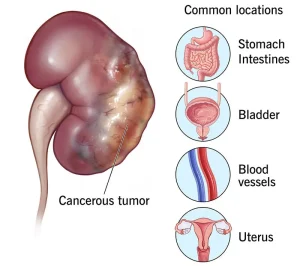
Leiomyosarcoma is a rare and aggressive type of cancer that develops from smooth muscle cells. Smooth muscles are found in many parts of the body, including the uterus, blood vessels, digestive tract, and other internal organs. Because smooth muscle exists throughout the body, leiomyosarcoma can occur in different locations.
This cancer often grows quickly and may spread to other parts of the body, such as the lungs, liver, or bones. Early detection can be difficult because symptoms may not appear until the tumor has grown large or spread. Treatment usually involves surgery and may include radiation therapy or chemotherapy, depending on the stage and location of the cancer.
Symptoms
Symptoms of leiomyosarcoma vary depending on where the tumor develops and how large it becomes. Common symptoms may include:
-
A growing lump or mass that may or may not be painful
-
Pain or swelling in the affected area
-
Unexplained weight loss
-
Fatigue or weakness
-
Abdominal pain or bloating if the tumor is in the abdomen
-
Abnormal vaginal bleeding if the tumor develops in the uterus
-
Shortness of breath if the cancer spreads to the lungs
In some cases, leiomyosarcoma may cause no symptoms in the early stages.
Causes
The exact cause of leiomyosarcoma is not well understood. It develops when smooth muscle cells undergo genetic changes that cause them to grow uncontrollably and form a malignant tumor.
Factors that may play a role include:
-
Random genetic mutations that occur over time
-
Previous radiation therapy to the affected area
-
Certain inherited genetic conditions, although this is rare
Most cases occur without a clearly identifiable cause.
Risk factors
Factors that may increase the risk of developing leiomyosarcoma include:
-
Exposure to radiation therapy in the past
-
Increasing age, as it is more common in middle-aged and older adults
-
Certain rare genetic syndromes
-
Weakened immune system
Leiomyosarcoma is rare, and many people who develop it have no known risk factors.
Complications
Leiomyosarcoma can lead to serious complications, especially if it spreads beyond its original site. Possible complications include:
-
Metastasis to the lungs, liver, or bones
-
Severe pain or organ dysfunction depending on tumor location
-
Internal bleeding, particularly with tumors in blood vessels or the uterus
-
Recurrence of cancer after treatment
Advanced disease can be life-threatening and often requires ongoing medical care.
Prevention
There is no known way to prevent leiomyosarcoma because the exact cause is unclear. However, some general measures may help reduce risk or support early detection:
-
Limiting unnecessary exposure to radiation
-
Attending regular medical checkups, especially if you have a history of radiation therapy
-
Seeking medical evaluation for unexplained lumps, pain, or abnormal bleeding
-
Following up promptly on unusual or persistent symptoms
Early diagnosis and appropriate treatment offer the best chance of controlling leiomyosarcoma and improving outcomes.
Advertisement
