
Overview
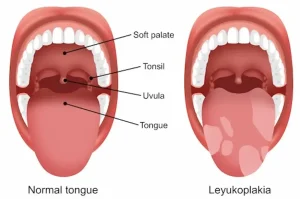
Leukoplakia is a condition in which thick, white or gray patches develop on the inside of the mouth. These patches cannot be scraped off and most commonly appear on the tongue, gums, inner cheeks, or the floor of the mouth. Leukoplakia itself is usually not dangerous, but it can sometimes be an early sign of cancer.
The condition is often linked to long-term irritation of the mouth lining. While many leukoplakia patches are benign, some may show precancerous changes. For this reason, proper evaluation and regular monitoring are important.
Symptoms
Leukoplakia often does not cause pain or discomfort and may go unnoticed at first. The appearance of the patches is usually the main sign.
Common symptoms include:
-
White, gray, or thickened patches inside the mouth
-
Patches with a rough, wrinkled, or hardened surface
-
Flat or slightly raised lesions
-
Red areas mixed with white patches, known as erythroleukoplakia
-
Sensitivity or discomfort if the area becomes irritated
Red or mixed red-and-white patches are more likely to be associated with precancerous changes.
Causes
Leukoplakia is caused by chronic irritation of the mouth tissues. The exact mechanism is not always clear, but repeated exposure to irritants plays a major role.
Common causes include:
-
Tobacco use, including smoking and chewing tobacco
-
Excessive alcohol consumption
-
Ill-fitting dentures or dental appliances
-
Rough or broken teeth causing ongoing irritation
-
Long-term cheek or tongue biting
-
Weakened immune system
In some cases, no clear cause can be identified.
Risk factors
Certain factors increase the likelihood of developing leukoplakia:
-
Use of tobacco in any form
-
Heavy alcohol use
-
Increasing age
-
Male sex
-
Poor oral hygiene
-
History of oral cancer or precancerous lesions
-
Infection with human papillomavirus in some cases
People with multiple risk factors have a higher chance of developing severe or recurrent leukoplakia.
Complications
Most leukoplakia patches are harmless, but complications can occur, especially if abnormal cells are present.
Possible complications include:
-
Progression to oral cancer
-
Persistent or recurring mouth lesions
-
Pain or difficulty eating if lesions enlarge
-
Anxiety related to cancer risk and ongoing monitoring
Regular follow-up helps detect changes early and reduces the risk of serious outcomes.
Prevention
Leukoplakia cannot always be prevented, but the risk can be reduced by avoiding known triggers.
Preventive measures include:
-
Quitting smoking and avoiding all tobacco products
-
Limiting alcohol consumption
-
Maintaining good oral hygiene
-
Ensuring proper fit of dentures and dental devices
-
Having regular dental and oral health checkups
-
Seeking evaluation for any mouth patch that does not heal within two weeks
Early detection and removal of irritants are key to preventing progression and maintaining oral health.
Request an appointment
Advertisement
