
Overview
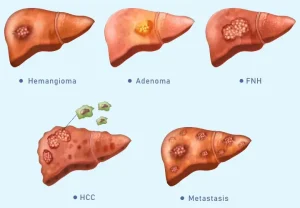
Liver cancer is a serious condition that begins in the cells of the liver. The most common type is hepatocellular carcinoma, which develops from the main liver cells called hepatocytes. Liver cancer often occurs in people who already have chronic liver disease, such as cirrhosis caused by hepatitis infection or long-term alcohol use.
In its early stages, liver cancer may not cause noticeable symptoms. As the disease progresses, it can interfere with vital liver functions, making early detection and treatment especially important for improving outcomes.
Symptoms
Symptoms of liver cancer often appear gradually and may be mild at first. Many signs are nonspecific and can be mistaken for other liver conditions.
Common symptoms include:
-
Unexplained weight loss
-
Loss of appetite
-
Upper abdominal pain or discomfort
-
Abdominal swelling or bloating
-
Nausea or vomiting
-
General weakness and fatigue
-
Yellowing of the skin and eyes, known as jaundice
-
White or chalky stools
-
Easy bruising or bleeding
Symptoms usually become more noticeable as the tumor grows or spreads.
Causes
Liver cancer develops when liver cells undergo genetic changes that cause them to grow uncontrollably. These changes are often linked to long-term damage and inflammation of liver tissue.
Common causes include:
-
Chronic infection with hepatitis B or hepatitis C
-
Liver cirrhosis from alcohol use or other causes
-
Fatty liver disease, including nonalcoholic fatty liver disease
-
Long-term exposure to toxins such as aflatoxins
-
Inherited liver diseases in rare cases
Repeated liver injury increases the risk of cancerous changes over time.
Risk factors
Several factors raise the risk of developing liver cancer:
-
Chronic hepatitis B or C infection
-
Cirrhosis of the liver
-
Heavy alcohol consumption
-
Obesity and diabetes
-
Nonalcoholic fatty liver disease
-
Exposure to aflatoxin-contaminated foods
-
Smoking
-
Male sex
-
Increasing age
Having multiple risk factors significantly increases the likelihood of liver cancer.
Complications
Liver cancer can lead to serious complications, particularly as liver function declines.
Possible complications include:
-
Liver failure
-
Internal bleeding
-
Spread of cancer to other organs
-
Severe abdominal pain
-
Fluid buildup in the abdomen
-
Poor tolerance to cancer treatments due to impaired liver function
Complications are more likely in advanced stages of the disease.
Prevention
Not all cases of liver cancer can be prevented, but risk can be reduced by protecting liver health.
Preventive measures include:
-
Getting vaccinated against hepatitis B
-
Seeking treatment for hepatitis C
-
Limiting or avoiding alcohol consumption
-
Maintaining a healthy weight
-
Managing diabetes and metabolic conditions
-
Avoiding exposure to food contaminants such as aflatoxins
-
Practicing safe injection and sexual behaviors
-
Undergoing regular screening if you have chronic liver disease
Early management of liver conditions plays a key role in lowering the risk of liver cancer and improving long-term health.
Advertisement
