
Overview
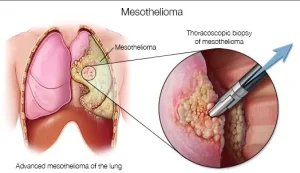
Mesothelioma is a rare and aggressive cancer that develops in the mesothelium, a thin layer of tissue that covers many internal organs. It most commonly affects the lining of the lungs, but can also occur in the lining of the abdomen, heart, or testes. The disease is strongly linked to asbestos exposure, often developing decades after initial contact.
Mesothelioma is usually diagnosed at an advanced stage because early symptoms are vague. Treatment focuses on slowing disease progression, relieving symptoms, and improving quality of life.
Symptoms
Symptoms of mesothelioma vary depending on the area of the body affected and often appear gradually.
Common symptoms include:
-
Shortness of breath
-
Chest pain or discomfort
-
Persistent cough
-
Fatigue and weakness
-
Unexplained weight loss
-
Fever or night sweats
-
Fluid buildup around the lungs or abdomen
When the abdomen is affected, symptoms may include abdominal pain, swelling, nausea, and changes in bowel habits.
Causes
Mesothelioma is primarily caused by inhalation or ingestion of asbestos fibers. Once inside the body, these fibers can become lodged in the mesothelium, causing chronic inflammation and cellular damage over time.
Key contributing factors include:
-
Occupational exposure to asbestos in construction, shipbuilding, or manufacturing
-
Secondary exposure through contaminated clothing or materials
-
Long-term irritation and scarring of mesothelial tissue
The long latency period means symptoms may not appear until 20 to 50 years after exposure.
Risk Factors
Certain factors significantly increase the risk of developing mesothelioma.
Major risk factors include:
-
Past or ongoing asbestos exposure
-
Working in industries where asbestos was commonly used
-
Living with someone who worked with asbestos
-
Older age due to long latency period
-
Male sex, as occupational exposure has historically been higher
Smoking does not directly cause mesothelioma but can worsen lung damage in exposed individuals.
Complications
Mesothelioma can lead to serious complications as the cancer progresses and spreads.
Possible complications include:
-
Respiratory failure due to lung involvement
-
Severe pain and reduced mobility
-
Spread of cancer to nearby or distant organs
-
Fluid accumulation causing breathing or digestive difficulties
-
Emotional distress and reduced quality of life
Treatment-related side effects may also contribute to long-term complications.
Prevention
Mesothelioma is largely preventable by avoiding exposure to asbestos.
Preventive measures include:
-
Following strict workplace safety regulations
-
Using protective equipment when asbestos exposure is possible
-
Proper removal and handling of asbestos-containing materials
-
Avoiding disturbance of asbestos in older buildings
-
Seeking medical evaluation after known asbestos exposure
Early monitoring of at-risk individuals can help detect disease sooner and improve symptom management.
Advertisement
