
Overview
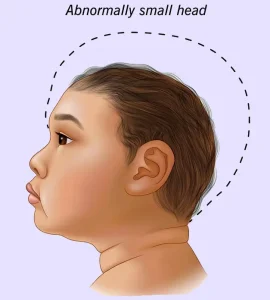
Microcephaly is a neurological condition in which a person’s head size is significantly smaller than expected for age and sex. It usually reflects abnormal brain development during pregnancy or early infancy. Microcephaly can be present at birth or develop within the first few years of life as the brain fails to grow at a normal rate.
The condition ranges from mild to severe. Some individuals have few or no symptoms, while others may experience lifelong developmental and neurological challenges.
Symptoms
Symptoms of microcephaly vary widely depending on the severity of brain involvement.
Common symptoms include:
-
Noticeably small head size compared to peers
-
Delayed growth and development
-
Delayed speech and motor milestones
-
Intellectual disability or learning difficulties
-
Poor coordination and balance
-
Seizures
-
Difficulty with feeding or swallowing
-
Hearing or vision problems
-
Hyperactivity or behavioral issues
In severe cases, symptoms are often apparent early in infancy.
Causes
Microcephaly occurs when brain growth is disrupted before birth or shortly after delivery.
Common causes include:
-
Genetic abnormalities or inherited conditions
-
Infections during pregnancy such as viral or bacterial infections
-
Reduced oxygen supply to the fetal brain
-
Exposure to harmful substances during pregnancy, including alcohol or certain drugs
-
Severe malnutrition during pregnancy
-
Complications during childbirth affecting brain oxygenation
In some cases, the exact cause cannot be identified.
Risk Factors
Several factors increase the risk of having a child with microcephaly.
Key risk factors include:
-
Family history of microcephaly or genetic disorders
-
Maternal infections during pregnancy
-
Poor prenatal nutrition
-
Exposure to toxins or harmful medications during pregnancy
-
Uncontrolled maternal medical conditions
-
Lack of adequate prenatal care
The risk depends on the timing and severity of the underlying cause.
Complications
Microcephaly can be associated with long-term physical, cognitive, and neurological complications.
Possible complications include:
-
Intellectual disability
-
Developmental delays affecting movement and speech
-
Epilepsy or recurrent seizures
-
Motor impairments such as spasticity
-
Difficulty performing daily activities independently
-
Vision and hearing impairments
The severity of complications generally correlates with the degree of brain underdevelopment.
Prevention
Not all cases of microcephaly can be prevented, but certain measures can reduce the risk.
Preventive strategies include:
-
Receiving regular prenatal care
-
Maintaining good nutrition before and during pregnancy
-
Avoiding alcohol, illicit drugs, and unnecessary medications during pregnancy
-
Preventing and promptly treating infections during pregnancy
-
Managing chronic medical conditions under medical supervision
-
Following recommended vaccinations before pregnancy when appropriate
Early diagnosis and supportive care are essential to help affected individuals reach their maximum developmental potential.
Request an appointment
Advertisement
