
Overview
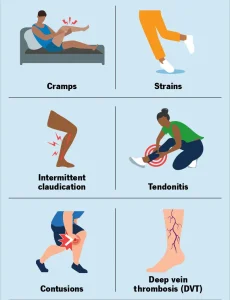
Muscle cramps are sudden, involuntary contractions of one or more muscles that can cause intense pain and temporary muscle tightness. They commonly occur in the legs, feet, hands, or calves and may last from a few seconds to several minutes. Muscle cramps can occur during activity, at rest, or even during sleep.
While most muscle cramps are harmless and resolve on their own, frequent or severe cramps may indicate an underlying medical issue that requires evaluation.
Symptoms
The primary symptom of a muscle cramp is sudden and sharp muscle pain. The affected muscle often feels hard or knotted during the episode.
Common symptoms include:
-
Sudden tightening of a muscle
-
Sharp or aching pain
-
Visible muscle twitching or knotting
-
Temporary difficulty moving the affected area
-
Residual soreness after the cramp subsides
Cramps often improve with stretching or gentle massage.
Causes
Muscle cramps occur when muscle fibers contract involuntarily and fail to relax. Several factors can trigger this response.
Common causes include:
-
Muscle overuse or fatigue
-
Dehydration
-
Electrolyte imbalances, such as low potassium or magnesium
-
Poor blood circulation
-
Prolonged sitting or standing
-
Nerve compression
-
Certain medications
In many cases, no specific cause is identified.
Risk Factors
Certain factors increase the likelihood of experiencing muscle cramps.
Key risk factors include:
-
Intense physical activity
-
Inadequate fluid intake
-
Older age
-
Pregnancy
-
Poor physical conditioning
-
Medical conditions affecting nerves or circulation
Risk factors may differ depending on the type and location of cramps.
Complications
Most muscle cramps do not lead to complications. However, recurrent or severe cramps can affect comfort and daily activities.
Possible complications include:
-
Sleep disturbance due to nighttime cramps
-
Reduced physical performance
-
Ongoing muscle soreness
-
Increased risk of muscle strain from sudden contractions
Persistent cramps may require medical evaluation to rule out underlying causes.
Prevention
Many muscle cramps can be prevented with simple lifestyle and self-care measures.
Preventive strategies include:
-
Staying well hydrated
-
Stretching muscles regularly, especially before and after exercise
-
Maintaining adequate intake of essential minerals
-
Warming up properly before physical activity
-
Avoiding prolonged periods in one position
-
Wearing supportive footwear
If muscle cramps occur frequently or without an obvious cause, seeking medical advice can help identify and address underlying issues.
Advertisement
