
Overview
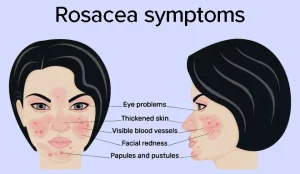
Ocular rosacea is a chronic inflammatory condition that affects the eyes and eyelids and is commonly associated with rosacea of the skin. It can cause irritation, redness, and discomfort in the eyes and may occur even without obvious facial skin symptoms. Early recognition is important, as untreated ocular rosacea can lead to persistent eye problems and, in severe cases, vision impairment.
Symptoms
Symptoms of ocular rosacea can range from mild to severe and may affect one or both eyes:
-
Red, bloodshot, or watery eyes
-
Burning, stinging, or gritty sensation in the eyes
-
Dryness or sensitivity to light
-
Swollen or inflamed eyelids
-
Crusting around the eyelashes
-
Frequent styes or chalazia
-
Blurred vision in more severe cases
Causes
The exact cause of ocular rosacea is not fully understood, but several factors are thought to contribute:
-
Chronic inflammation of the eyelids and ocular surface
-
Dysfunction of the meibomian glands
-
Abnormal immune system response
-
Overgrowth of certain skin mites or microorganisms
-
Genetic predisposition
-
Environmental triggers such as heat, wind, or sun exposure
Risk Factors
Factors that may increase the risk of developing ocular rosacea include:
-
History of facial rosacea
-
Fair skin or sensitive skin
-
Family history of rosacea
-
Middle age or older adulthood
-
Exposure to known rosacea triggers such as spicy foods or alcohol
-
Chronic eye irritation or dry eye disease
Complications
If not properly managed, ocular rosacea can lead to complications affecting eye health:
-
Chronic blepharitis
-
Persistent dry eye syndrome
-
Corneal inflammation or damage
-
Recurrent eyelid infections
-
Visual disturbances or reduced vision in severe cases
Prevention
While ocular rosacea cannot always be prevented, symptom control and flare reduction are possible:
-
Maintaining good eyelid hygiene
-
Avoiding known personal triggers
-
Protecting eyes from harsh environmental conditions
-
Using prescribed eye medications as directed
-
Seeking early ophthalmologic evaluation for persistent eye symptoms
Advertisement
