
Overview
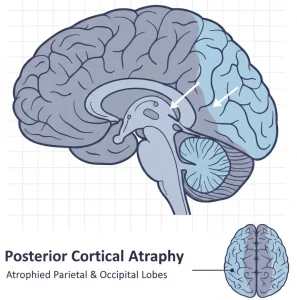
Posterior Cortical Atrophy (PCA) is a rare neurological condition characterized by progressive degeneration of the back (posterior) part of the brain, which affects visual processing and spatial awareness. It is sometimes referred to as a variant of Alzheimer’s disease because it can eventually impact memory and cognitive functions. PCA typically develops gradually and is most commonly diagnosed in people in their 50s or 60s.
Symptoms
Symptoms of Posterior Cortical Atrophy can vary but often include:
-
Difficulty recognizing objects, faces, or written words (visual agnosia)
-
Problems with reading, writing, or judging distances
-
Difficulty with spatial tasks, such as navigating stairs or reaching for objects
-
Visual hallucinations in some cases
-
Later stages may involve memory loss, language difficulties, and impaired reasoning
-
Difficulty with hand-eye coordination and performing daily tasks
Causes
PCA is caused by progressive damage to the neurons in the posterior regions of the brain:
-
Abnormal protein buildup, similar to amyloid plaques and tau tangles seen in Alzheimer’s disease
-
Rarely, other neurodegenerative diseases can cause PCA
-
Genetic and environmental factors may contribute, though most cases are sporadic
Risk factors
Factors that may increase the likelihood of developing PCA include:
-
Age, typically affecting adults in midlife or older
-
Family history of neurodegenerative diseases
-
Being female, as some studies suggest slightly higher prevalence in women
-
Existing cognitive or neurological disorders
Complications
If untreated or unmanaged, PCA can lead to:
-
Progressive loss of independence due to visual and cognitive impairments
-
Increased risk of falls and accidents due to impaired spatial awareness
-
Difficulty performing daily activities, including driving, cooking, or managing finances
-
Emotional distress, anxiety, and depression due to declining abilities
-
Potential progression to broader dementia syndromes, such as Alzheimer’s disease
Prevention
While PCA cannot be fully prevented, risk reduction and management strategies include:
-
Early diagnosis through neurological assessment and imaging tests
-
Cognitive rehabilitation and occupational therapy to maintain functional abilities
-
Supportive care, including home modifications and visual aids
-
Maintaining a healthy lifestyle with regular exercise, a balanced diet, and mental stimulation
-
Regular monitoring by healthcare professionals to manage symptoms and prevent complications
Timely recognition and supportive interventions can help individuals with Posterior Cortical Atrophy maintain independence and improve quality of life.
Advertisement
