
Overview
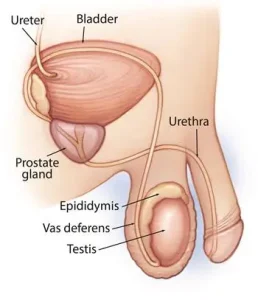
Scrotal masses refer to lumps, swelling, or enlargement within the scrotum, the sac of skin that holds the testicles. These masses can vary in size and may be painless or painful. Some scrotal masses are harmless and non-cancerous, while others may indicate infections, fluid buildup, or more serious conditions such as testicular cancer.
Scrotal masses can occur at any age, but the underlying causes often depend on age and overall health. Early medical evaluation is important to determine the exact cause and ensure proper treatment.
Symptoms
Symptoms of scrotal masses depend on the underlying condition and severity.
Common symptoms include:
-
A noticeable lump or swelling in the scrotum
-
Dull ache or heaviness in the lower abdomen or groin
-
Sudden sharp pain in the scrotum
-
Redness or warmth of the scrotal skin
-
Enlargement of one or both testicles
-
Fluid buildup around the testicle
In some cases, a scrotal mass may be discovered during self-examination without other symptoms.
Causes
Scrotal masses can result from various medical conditions.
Common causes include:
-
Hydrocele, which is fluid accumulation around a testicle
-
Varicocele, which is enlarged veins within the scrotum
-
Epididymitis, an inflammation of the epididymis
-
Inguinal hernia
-
Testicular torsion
-
Testicular cancer
-
Infection or abscess
Each cause requires a different treatment approach, making proper diagnosis essential.
Risk Factors
Certain factors increase the likelihood of developing scrotal masses:
-
History of undescended testicle
-
Previous scrotal injury
-
Sexually transmitted infections
-
Family history of testicular cancer
-
Heavy lifting that increases abdominal pressure
Regular self-examination can help detect abnormalities early.
Complications
Untreated scrotal masses may lead to serious complications depending on the cause.
Possible complications include:
-
Infertility
-
Chronic pain
-
Testicular damage
-
Spread of infection
-
Cancer progression in malignant cases
Testicular torsion is a medical emergency and requires immediate treatment to prevent permanent damage.
Prevention
While not all scrotal masses can be prevented, certain measures may reduce risk.
Helpful preventive strategies include:
-
Performing regular testicular self-examinations
-
Seeking prompt medical attention for pain or swelling
-
Practicing safe sex to prevent infections
-
Wearing protective gear during sports
-
Treating infections early
Early detection and timely treatment are key to preventing complications and maintaining reproductive health.
Request an appointment
Advertisement
