
Overview
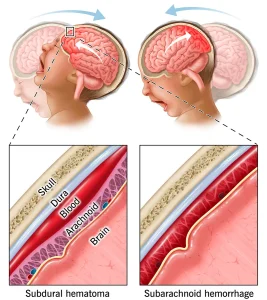
Shaken baby syndrome is a serious form of abusive head trauma that occurs when an infant or young child is violently shaken. The forceful shaking causes the brain to move back and forth inside the skull, leading to severe brain injury. This condition most commonly affects infants under one year of age and can result in long-term disability or death. Shaken baby syndrome is entirely preventable and is considered a medical emergency.
Symptoms
Symptoms can appear immediately or develop over time, depending on the severity of injury. In some cases, signs may be subtle at first.
-
Extreme irritability or inconsolable crying
-
Poor feeding or vomiting
-
Lethargy, drowsiness, or decreased responsiveness
-
Seizures
-
Difficulty breathing or episodes of apnea
-
Changes in muscle tone or movement
-
Loss of consciousness in severe cases
Causes
Shaken baby syndrome is caused by forceful shaking of an infant or young child, often during moments of frustration or anger, such as prolonged crying. Infants have weak neck muscles and relatively large heads, making them especially vulnerable to brain injury when shaken. The rapid acceleration and deceleration can cause bleeding in the brain, swelling, and damage to nerve tissue.
Risk Factors
Certain situations and conditions increase the risk of shaken baby syndrome.
-
Caregiver stress, fatigue, or lack of support
-
Unrealistic expectations about infant behavior, especially crying
-
Young or inexperienced caregivers
-
Substance abuse or mental health issues in caregivers
-
Lack of awareness about the dangers of shaking a baby
Complications
Complications of shaken baby syndrome can be severe and lifelong. These may include permanent brain damage, developmental delays, intellectual disability, vision or hearing loss, paralysis, and epilepsy. In the most severe cases, the injuries can be fatal.
Prevention
Prevention focuses on education, support, and coping strategies for caregivers. Understanding that crying is a normal part of infant development is essential. Caregivers should learn safe ways to manage stress, such as placing the baby in a safe place and taking a short break. Parenting education programs, community support, and awareness of the serious consequences of shaking a baby play a key role in prevention.
Advertisement
