
Overview
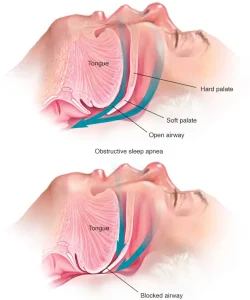
Sleep apnea is a sleep-related breathing disorder in which breathing repeatedly stops and starts during sleep. These pauses in breathing reduce oxygen levels in the blood and disrupt normal sleep patterns. Sleep apnea can lead to poor sleep quality and serious health problems if left untreated. The condition affects people of all ages but is more common in adults, especially those who are overweight or have certain medical conditions.
Symptoms
Symptoms of sleep apnea often occur during sleep and may not be noticed by the affected person.
-
Loud, chronic snoring
-
Pauses in breathing witnessed by another person
-
Gasping or choking during sleep
-
Excessive daytime sleepiness
-
Morning headaches
-
Difficulty concentrating or memory problems
-
Irritability or mood changes
In children, symptoms may include restless sleep, bedwetting, or behavioral problems.
Causes
Sleep apnea occurs when airflow is repeatedly blocked or reduced during sleep. The most common type is caused by relaxation of the throat muscles, which leads to airway collapse. Other forms occur when the brain does not send proper signals to control breathing. Structural features of the airway, obesity, and certain neurological conditions can contribute to the disorder.
Risk Factors
Several factors increase the risk of developing sleep apnea.
-
Excess body weight
-
Large neck circumference or narrowed airway
-
Family history of sleep apnea
-
Smoking or alcohol use
-
Male sex
-
Older age
-
Certain medical conditions such as high blood pressure or diabetes
Complications
Untreated sleep apnea can lead to serious health complications. These include high blood pressure, heart disease, stroke, and irregular heart rhythms. Daytime fatigue increases the risk of accidents and reduces work performance. In children, untreated sleep apnea can affect growth, learning, and behavior.
Prevention
Prevention focuses on reducing risk factors and promoting healthy sleep habits. Maintaining a healthy weight, avoiding alcohol before bedtime, and quitting smoking can help lower risk. Sleeping on the side rather than the back may reduce symptoms in some individuals. Seeking medical evaluation for loud snoring or excessive daytime sleepiness allows early diagnosis and treatment, helping prevent long-term complications.
Advertisement
