
Overview
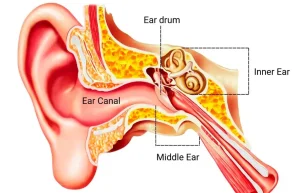
Tinnitus is the perception of sound in the ears or head when no external sound is present. People with tinnitus commonly describe the sound as ringing, buzzing, hissing, clicking, or humming. The condition may affect one or both ears and can occur continuously or intermittently.
Tinnitus is not a disease itself but a symptom of an underlying condition, often related to hearing problems or issues within the auditory system. It can affect people of all ages, although it is more common in older adults. In many cases, tinnitus may be temporary, but for some individuals it can become chronic and interfere with daily life.
Symptoms
The main symptom of tinnitus is hearing sounds that are not caused by an external source.
Common symptoms include:
-
Ringing in the ears
-
Buzzing or humming sounds
-
Hissing or whistling noises
-
Clicking or roaring sounds
-
Sounds that may come and go or remain constant
-
Difficulty concentrating due to persistent noise
-
Sleep disturbances caused by the sound
The intensity and type of sound can vary from person to person.
Causes
Tinnitus often occurs when there is a problem within the ear or the auditory pathways that transmit sound signals to the brain. Damage to the tiny hair cells in the inner ear can cause the brain to misinterpret signals and produce the perception of sound.
Common causes include:
-
Age related hearing loss
-
Exposure to loud noise
-
Earwax blockage
-
Ear infections
-
Injury to the head or neck
-
Certain medications that affect hearing
-
Disorders of the inner ear
-
Circulatory system problems
Identifying the underlying cause is important for determining appropriate management.
Risk factors
Several factors may increase the likelihood of developing tinnitus:
-
Frequent exposure to loud sounds or noise
-
Aging
-
Hearing loss
-
Smoking
-
Cardiovascular disease
-
Stress and anxiety
-
Certain medications that can affect the ears
Individuals who work in noisy environments or regularly listen to loud music may have a higher risk.
Complications
Although tinnitus itself is not life threatening, it can lead to complications that affect overall well being.
Possible complications include:
-
Difficulty sleeping
-
Problems with concentration
-
Irritability or mood changes
-
Anxiety or depression
-
Reduced quality of life
Persistent tinnitus may also worsen stress levels, which can further intensify the perception of the sound.
Prevention
Certain lifestyle habits and protective measures may help reduce the risk of developing tinnitus:
-
Protect ears from loud noises by using ear protection
-
Keep the volume low when using headphones or listening to music
-
Maintain good ear hygiene and avoid inserting objects into the ear
-
Manage stress effectively
-
Maintain cardiovascular health through regular exercise and a balanced diet
-
Seek medical care for hearing problems or persistent ear symptoms
Early evaluation of hearing issues and proper ear care can help reduce the likelihood of tinnitus or prevent it from becoming more severe.
Advertisement
