
Overview
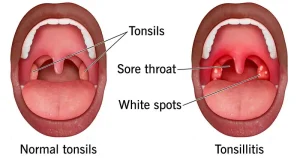
Tonsillitis is an inflammation of the tonsils, which are two oval shaped tissues located at the back of the throat. The tonsils are part of the immune system and help protect the body from infections by trapping bacteria and viruses that enter through the mouth and nose.
Tonsillitis is most common in children, but it can occur at any age. The condition may be caused by viral or bacterial infections and often results in sore throat, difficulty swallowing, and fever. In many cases, tonsillitis improves with medical treatment and proper care, although some individuals may experience recurrent infections.
Symptoms
Symptoms of tonsillitis can vary in severity depending on the cause of the infection.
Common symptoms include:
-
Severe sore throat
-
Red and swollen tonsils
-
White or yellow patches on the tonsils
-
Pain or difficulty while swallowing
-
Fever and chills
-
Swollen lymph nodes in the neck
-
Bad breath
-
Headache
-
Ear pain
-
Loss of appetite
Young children may also experience irritability, drooling, or refusal to eat due to throat pain.
Causes
Tonsillitis occurs when viruses or bacteria infect the tonsils and cause inflammation. Viral infections are the most common cause and may include viruses responsible for the common cold or flu.
Bacterial tonsillitis is often caused by group A streptococcus bacteria, which is also responsible for strep throat. These microorganisms spread through respiratory droplets, close contact with infected individuals, or contaminated surfaces.
Risk factors
Several factors can increase the risk of developing tonsillitis:
-
Young age, especially in school aged children
-
Frequent exposure to viruses or bacteria in crowded environments
-
Close contact with infected individuals
-
Weakened immune system
-
Poor hygiene practices
Children in schools or daycare settings are more likely to be exposed to infections that cause tonsillitis.
Complications
If tonsillitis is severe or untreated, it may lead to complications.
Possible complications include:
-
Peritonsillar abscess, a collection of pus near the tonsils
-
Difficulty breathing due to swollen tonsils
-
Spread of infection to nearby tissues
-
Ear infections
-
Sleep disturbances such as snoring or sleep apnea
-
Rheumatic fever in cases caused by untreated streptococcal infection
Prompt treatment can help prevent these complications.
Prevention
Certain measures can help reduce the risk of tonsillitis:
-
Wash hands regularly to prevent the spread of infections
-
Avoid close contact with people who are sick
-
Do not share utensils, drinks, or personal items
-
Maintain good oral hygiene
-
Cover the mouth and nose when coughing or sneezing
-
Strengthen the immune system through a balanced diet and adequate rest
Practicing good hygiene and limiting exposure to infectious agents can help lower the chances of developing tonsillitis.
Advertisement
