
Overview
Trichinosis is a parasitic infection caused by roundworms of the Trichinella species. People become infected by eating raw or undercooked meat that contains the larvae of the parasite, most commonly pork or wild game such as wild boar or bear.
After entering the body, the larvae mature in the intestines and later travel through the bloodstream to muscle tissues, where they form cysts. Symptoms can range from mild digestive discomfort to more serious muscle pain and swelling. Early diagnosis and treatment help prevent complications.
Symptoms
Symptoms of trichinosis may vary depending on the number of parasites in the body and the stage of infection. Early symptoms often appear within a few days of eating contaminated meat.
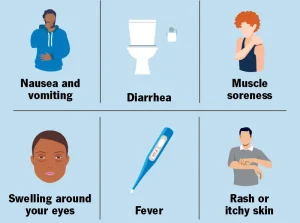
Common symptoms include:
-
Diarrhea
-
Abdominal pain or cramps
-
Nausea
-
Vomiting
-
Fatigue
As the infection progresses and the larvae move into the muscles, additional symptoms may develop:
-
Muscle pain and tenderness
-
Fever
-
Swelling around the eyes or face
-
Headache
-
Weakness
-
Sensitivity to light
In severe infections, symptoms may become more serious and require medical attention.
Causes
Trichinosis occurs when a person consumes meat infected with Trichinella larvae. These larvae are usually found in undercooked or raw meat from infected animals.
Common sources include:
-
Undercooked pork
-
Raw or undercooked wild game meat such as bear or wild boar
-
Improperly processed or cured meats
Once ingested, the larvae are released in the digestive system and begin their life cycle within the body.
Risk factors
Certain behaviors and conditions increase the risk of trichinosis.
These include:
-
Eating undercooked or raw pork
-
Consuming wild game meat that is not properly cooked
-
Poor meat handling or food preparation practices
-
Home curing or smoking of meats without proper cooking
People who hunt or prepare wild game meat may face a higher risk if proper cooking methods are not followed.
Complications
In mild cases, trichinosis may resolve with minimal symptoms. However, severe infections can lead to complications as the parasites spread to different tissues.
Possible complications include:
-
Inflammation of the heart muscle
-
Lung inflammation
-
Neurological problems
-
Difficulty breathing
-
Severe muscle inflammation
These complications are rare but may occur if the infection is not treated promptly.
Prevention
Preventing trichinosis mainly involves safe handling and proper cooking of meat.
Important preventive measures include:
-
Cook pork and wild game meat thoroughly
-
Avoid eating raw or undercooked meat
-
Use a food thermometer to ensure safe cooking temperatures
-
Freeze or store meat properly before preparation
-
Practice good kitchen hygiene when handling raw meat
Proper cooking destroys the parasite and is the most effective way to prevent trichinosis.
Advertisement
