
Overview
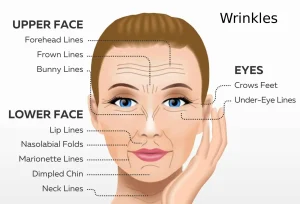
Wrinkles are visible lines, folds, or creases that form on the skin as a natural part of aging. They most commonly appear on areas exposed to the sun, such as the face, neck, hands, and arms. Wrinkles develop when the skin loses elasticity, moisture, and supportive structures like collagen and elastin.
While wrinkles are a normal and harmless change, their appearance can be influenced by lifestyle, environmental exposure, and genetic factors.
Symptoms
Wrinkles are primarily a cosmetic change and do not usually cause physical discomfort. Common features include:
-
Fine lines that appear on the surface of the skin
-
Deeper creases or folds, especially around the eyes, mouth, and forehead
-
Sagging or loose skin
-
Rough or dry skin texture
-
Uneven skin tone in some cases
Wrinkles may become more noticeable over time and with repeated facial movements.
Causes
Wrinkles form due to a combination of intrinsic and extrinsic factors affecting the skin:
-
Natural aging, which slows collagen and elastin production
-
Sun exposure, which damages skin fibers through ultraviolet radiation
-
Repeated facial expressions, such as smiling or frowning
-
Loss of skin moisture and natural oils
-
Smoking, which reduces blood flow and accelerates skin aging
-
Environmental pollution and toxins
These factors weaken the skin’s structure and reduce its ability to repair itself.
Risk Factors
Several factors increase the likelihood of developing wrinkles:
-
Increasing age
-
Prolonged or unprotected sun exposure
-
Fair skin, which is more sensitive to ultraviolet damage
-
Smoking or tobacco use
-
Poor nutrition lacking antioxidants
-
Dehydration
-
Family history of premature skin aging
Complications
Wrinkles themselves do not cause medical complications, but they may be associated with:
-
Reduced self-esteem or confidence
-
Increased skin fragility in severely aged skin
-
Coexisting sun damage, such as age spots or precancerous lesions
Psychological impact varies depending on individual perception and social factors.
Prevention
Although wrinkles cannot be completely prevented, their development can be slowed with proper skin care and healthy habits:
-
Using sunscreen daily to protect against ultraviolet radiation
-
Wearing protective clothing and avoiding excessive sun exposure
-
Maintaining good hydration
-
Eating a balanced diet rich in fruits, vegetables, and antioxidants
-
Avoiding smoking and excessive alcohol consumption
-
Following a consistent skin care routine with moisturizers
-
Managing stress and getting adequate sleep
Early and consistent preventive measures help maintain healthier-looking skin and delay the appearance of wrinkles.
Advertisement
