
Overview
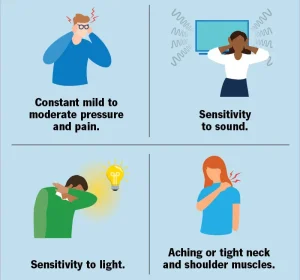
Tension headache is the most common type of headache and is often described as a constant, mild to moderate pain that feels like a tight band around the head. The discomfort usually affects both sides of the head and may extend to the neck and shoulders. Unlike migraines, tension headaches typically do not cause nausea or severe sensitivity to light or sound.
These headaches can occur occasionally or become chronic when they happen frequently. Many people experience tension headaches due to stress, fatigue, poor posture, or muscle strain. Although they are usually not dangerous, frequent headaches can affect daily activities, concentration, and quality of life.
Symptoms
Tension headaches often develop gradually and may last from 30 minutes to several hours, or sometimes longer.
Common symptoms include:
-
Dull, aching pain in the head
-
Feeling of tightness or pressure across the forehead
-
Sensation of a tight band around the head
-
Tenderness in the scalp, neck, or shoulder muscles
-
Mild sensitivity to light or noise
-
Pain that affects both sides of the head
Unlike migraines, tension headaches usually do not cause vomiting or severe visual disturbances.
Causes
Tension headaches are usually linked to muscle tension and stress. The exact cause is not always clear, but several factors may trigger them.
Common causes include:
-
Emotional stress or anxiety
-
Mental exhaustion or long periods of concentration
-
Poor posture, especially during computer or desk work
-
Eye strain from screens or reading
-
Lack of sleep
-
Dehydration
-
Skipping meals
-
Muscle tightness in the neck and shoulders
These triggers may cause tightening of muscles around the scalp and neck, leading to headache pain.
Risk Factors
Certain factors may increase the likelihood of developing tension headaches.
Risk factors include:
-
High levels of stress
-
Sedentary lifestyle or prolonged sitting
-
Poor ergonomic work setup
-
Lack of regular sleep
-
Anxiety or mood disorders
-
Dehydration
-
Frequent use of screens without breaks
People who work long hours at computers or in stressful environments may be more likely to experience these headaches.
Complications
Tension headaches are usually not life-threatening, but frequent or chronic headaches can cause several issues.
Possible complications include:
-
Reduced productivity at work or school
-
Difficulty concentrating
-
Increased stress and irritability
-
Sleep disturbances
-
Overuse of pain medications leading to rebound headaches
Chronic tension headaches can also affect emotional well-being and overall quality of life.
Prevention
Many tension headaches can be prevented by managing stress and maintaining healthy habits.
Helpful prevention strategies include:
-
Practicing stress management techniques such as meditation or deep breathing
-
Maintaining proper posture while working or using devices
-
Taking regular breaks during screen use
-
Staying well hydrated
-
Getting enough sleep each night
-
Exercising regularly to reduce muscle tension
-
Using an ergonomic chair and workstation setup
Learning to recognize early warning signs and addressing triggers can help reduce the frequency and severity of tension headaches.
Request an appointment
Advertisement
