
Overview
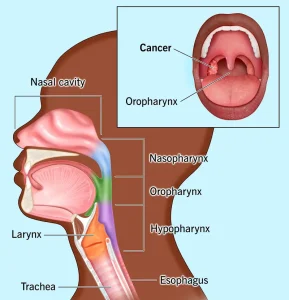
Throat cancer refers to cancer that develops in the tissues of the throat (pharynx), voice box (larynx), or tonsils. The throat is a muscular tube that begins behind the nose and ends in the neck. Cancer in this region occurs when abnormal cells grow uncontrollably and form tumors. Throat cancer is part of a broader category known as head and neck cancers.
This condition can affect speech, breathing, and swallowing depending on the location and size of the tumor. Early detection significantly improves treatment outcomes. Treatment often involves a combination of surgery, radiation therapy, chemotherapy, or targeted therapies.
Symptoms
Symptoms of throat cancer may vary depending on where the cancer develops, but common signs include:
-
Persistent sore throat that does not go away
-
Difficulty swallowing
-
Hoarseness or changes in voice
-
Lump in the neck or throat
-
Unexplained weight loss
-
Ear pain
-
Chronic cough
-
Trouble breathing
-
Pain or difficulty while speaking
-
White or red patches in the throat or mouth
If these symptoms persist for several weeks, medical evaluation is recommended.
Causes
Throat cancer develops when genetic mutations occur in the cells of the throat. These mutations cause cells to grow and divide uncontrollably, eventually forming tumors. Over time, these cancerous cells may spread to nearby tissues or other parts of the body.
Several environmental and lifestyle factors contribute to the development of these mutations, increasing the likelihood of throat cancer.
Risk Factors
Certain factors increase the risk of developing throat cancer, including:
-
Tobacco use, including cigarettes, cigars, and chewing tobacco
-
Heavy alcohol consumption
-
Infection with human papillomavirus (HPV)
-
Poor oral hygiene
-
Diet low in fruits and vegetables
-
Exposure to toxic chemicals such as asbestos or industrial fumes
-
Age over 55 years
-
Being male, as men are affected more often than women
Avoiding these risk factors can help reduce the likelihood of developing the disease.
Complications
Throat cancer can lead to several complications, especially if diagnosed at an advanced stage. These may include:
-
Difficulty swallowing that interferes with eating and nutrition
-
Loss or significant change in voice
-
Breathing problems due to airway obstruction
-
Spread of cancer to nearby lymph nodes or distant organs
-
Malnutrition and severe weight loss
-
Emotional and psychological stress
Some complications may also arise from treatments such as surgery, radiation therapy, or chemotherapy.
Prevention
Although throat cancer cannot always be prevented, certain lifestyle choices may help reduce the risk:
-
Avoid tobacco in all forms
-
Limit or avoid alcohol consumption
-
Maintain good oral hygiene
-
Eat a balanced diet rich in fruits and vegetables
-
Consider vaccination against HPV
-
Use protective equipment if exposed to harmful chemicals at work
-
Attend regular medical and dental checkups for early detection
Adopting healthy lifestyle habits and seeking medical advice for persistent throat symptoms can help detect potential problems early and improve overall outcomes.
Advertisement
