
Overview
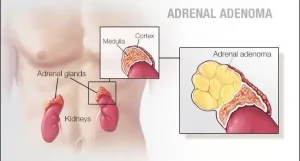
Adrenal cancer is a rare condition that begins as a growth of abnormal cells in one of the adrenal glands. The adrenal glands are small, triangular glands that sit on top of each kidney. Even though they are small, they play a major role in the body by producing hormones that regulate metabolism, blood pressure, immune response and other vital functions.
Adrenal cancer can occur at any age, but it most commonly affects children younger than 5 years and adults in their 40s and 50s. This type of cancer also is known as adrenocortical carcinoma.
When adrenal cancer is found early and remains limited to the adrenal gland, treatment may offer a chance for cure. If the cancer spreads beyond the adrenal gland, treatment focuses on slowing progression and managing symptoms. Most adrenal gland growths are not cancer. These noncancerous growths are called benign tumors, such as adrenal adenomas.
Symptoms
Some people with adrenal cancer have few or no symptoms at first. Symptoms may develop as the tumor grows or begins to produce excess hormones.
General symptoms may include:
-
Back pain
-
Pain in the abdomen
-
Unintended weight loss
-
Loss of appetite
Many adrenal cancers produce excess hormones, which can cause additional symptoms. Most commonly, the tumor produces too much cortisol, leading to signs of Cushing syndrome such as:
-
Weight gain, especially in the face and upper body
-
Muscle weakness
-
Pink or purple stretch marks on the skin
-
Easy bruising
-
High blood pressure
-
High blood sugar or diabetes
Less commonly, adrenal cancer may produce excess estrogen or testosterone. In females, this can cause facial hair growth, scalp hair loss and irregular periods. In males, it may lead to enlarged breast tissue and shrinking of the testicles.
Rarely, adrenal cancer produces too much aldosterone, which can result in high blood pressure and low potassium levels.
When to see a doctor
Make an appointment with a healthcare professional if you have ongoing symptoms that concern you, such as unexplained weight loss, abdominal pain or signs of hormone imbalance.
Causes
The exact cause of adrenal cancer is not known. The disease begins when cells in the adrenal gland develop changes in their DNA.
DNA contains instructions that control how cells grow, divide and die. In healthy cells, these instructions keep growth under control. In adrenal cancer, DNA changes cause cells to grow and multiply rapidly and avoid normal cell death. This leads to the buildup of abnormal cells that form a tumor.
As the tumor grows, it can invade nearby tissues. Cancer cells also may break away from the original tumor and spread to other parts of the body. This process is known as metastasis.
Risk factors
Adrenal cancer is more likely to occur in people who inherit certain genetic conditions that increase cancer risk. These include:
-
Beckwith-Wiedemann syndrome
-
Familial adenomatous polyposis
-
Li-Fraumeni syndrome
-
Lynch syndrome
-
Multiple endocrine neoplasia type 1, also called MEN 1
Many people who develop adrenal cancer do not have any known risk factors.
Complications
Complications of adrenal cancer can result from the tumor itself or from excess hormone production. Hormone imbalances may lead to conditions such as high blood pressure, diabetes, muscle weakness and bone loss.
As the cancer grows or spreads, it can damage nearby organs and tissues. Advanced adrenal cancer may spread to the liver, lungs or bones, which can cause pain, organ dysfunction and other serious health problems.
Prevention
Healthcare professionals have not identified a way to prevent adrenal cancer. Because some cases are linked to inherited genetic conditions, people with a strong family history of cancer may benefit from genetic counseling and regular medical follow-up.
Early evaluation of unexplained hormone-related symptoms or adrenal masses can help with timely diagnosis and treatment.
Advertisement
