
Overview
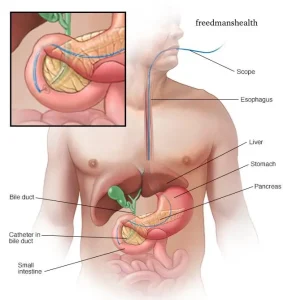
Ampullary cancer is a rare type of cancer that begins in the ampulla of Vater. The ampulla of Vater is a small opening where the bile duct and pancreatic duct join and empty into the small intestine. This location places ampullary cancer close to several important digestive organs, including the liver, pancreas and small intestine.
Because of where it starts, ampullary cancer can interfere with the normal flow of bile and digestive enzymes. As the cancer grows, it may spread into nearby organs or block the bile duct, leading to noticeable symptoms earlier than some other digestive cancers.
Treatment for ampullary cancer most often involves surgery to remove the tumor. Depending on the stage and characteristics of the cancer, radiation therapy and chemotherapy may also be used to destroy cancer cells and reduce the risk of recurrence.
Symptoms
Symptoms of ampullary cancer often relate to blockage of bile flow or irritation of the digestive tract. Signs and symptoms may include:
-
Yellowing of the skin and whites of the eyes, called jaundice
-
Diarrhea
-
Clay-colored or pale stools
-
Abdominal pain
-
Fever
-
Blood in the stool
-
Nausea
-
Vomiting
-
Unexplained weight loss
Symptoms may develop gradually and can be mistaken for other digestive conditions.
When to see a doctor
Make an appointment with a healthcare professional if you have persistent or worsening symptoms, especially jaundice, unexplained weight loss or ongoing digestive problems.
Causes
The exact cause of ampullary cancer is not known.
Ampullary cancer develops when cells in the ampulla of Vater undergo changes, called mutations, in their DNA. DNA contains the instructions that control how cells grow, divide and die. In healthy cells, these instructions keep cell growth under control. In cancer cells, the DNA changes cause cells to grow and multiply too quickly and to survive longer than they should.
As abnormal cells build up, they can form a tumor. Over time, the tumor may invade nearby tissues and organs. Cancer cells also can break away from the original tumor and spread to other parts of the body, a process known as metastasis.
Risk factors
Factors that may increase the risk of ampullary cancer include:
-
Increasing age, with most cases occurring in adults older than 70
-
Inherited DNA changes that raise cancer risk
Certain inherited conditions are linked to a higher risk of ampullary cancer and other cancers, including Lynch syndrome, familial adenomatous polyposis (FAP), and Peutz-Jeghers syndrome.
Complications
Complications of ampullary cancer can occur as the tumor grows or spreads. These may include:
-
Blockage of the bile duct leading to jaundice and liver problems
-
Spread of cancer to nearby organs such as the pancreas, liver or small intestine
-
Digestive difficulties due to reduced bile and enzyme flow
-
Recurrence of cancer after treatment
Advanced disease can significantly affect overall health and quality of life.
Prevention
There is no known way to prevent ampullary cancer.
People with inherited conditions that increase cancer risk may benefit from regular medical follow-up and genetic counseling. Seeking medical care promptly for persistent digestive symptoms may help with earlier diagnosis and treatment.
Advertisement
