
Overview
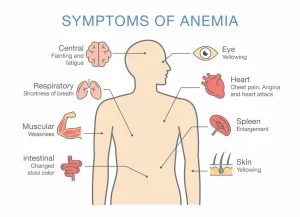
Anemia is a condition in which the body does not have enough healthy red blood cells or enough hemoglobin to carry adequate oxygen to body tissues. Hemoglobin is an iron-rich protein in red blood cells that transports oxygen from the lungs to organs and tissues throughout the body. When oxygen delivery is reduced, it can lead to symptoms such as fatigue, weakness and shortness of breath.
Anemia is not a single disease but a group of conditions with different causes and characteristics. It can be temporary or long term and may range from mild to severe. In some cases, anemia is a sign of an underlying serious illness.
Treatment for anemia depends on the type and cause. It may include dietary changes, supplements, medications or medical procedures. Some forms of anemia can be prevented by maintaining a healthy, nutrient-rich diet.
Symptoms
Symptoms of anemia vary based on the cause and severity. Mild anemia may not cause noticeable symptoms at first. As the condition progresses, symptoms tend to become more apparent.
Common symptoms include:
-
Tiredness and low energy
-
Weakness
-
Shortness of breath
-
Pale or yellowish skin, which may be more noticeable on lighter skin tones
-
Irregular or rapid heartbeat
-
Dizziness or lightheadedness
-
Chest pain
-
Cold hands and feet
-
Headaches
If anemia is caused by another medical condition, symptoms of that condition may appear first and mask the signs of anemia. Certain types of anemia have symptoms that point to a specific cause.
Causes
Anemia develops when the blood lacks enough red blood cells or hemoglobin. This can occur for several reasons.
The body may not produce enough red blood cells or hemoglobin. It may lose red blood cells due to bleeding faster than they can be replaced. In some cases, the body destroys red blood cells earlier than normal.
Red blood cells are produced in the bone marrow, the spongy tissue inside many large bones. To make healthy red blood cells and hemoglobin, the body needs iron, vitamin B-12, folate and other nutrients obtained from food.
Different types of anemia have different causes.
Iron deficiency anemia occurs when the body does not have enough iron to produce hemoglobin. This is the most common type of anemia and may result from poor dietary intake, pregnancy without iron supplementation or blood loss such as heavy menstrual periods, ulcers or long-term use of certain pain relievers.
Vitamin deficiency anemia develops when the body lacks folate, vitamin B-12 or other essential nutrients needed to produce red blood cells. Some people are unable to absorb vitamin B-12 properly, leading to pernicious anemia.
Anemia of inflammation is associated with long-term conditions that cause chronic inflammation, such as cancer, HIV/AIDS, rheumatoid arthritis, kidney disease and Crohn’s disease. These conditions interfere with red blood cell production.
Aplastic anemia is a rare but serious condition in which the body stops producing enough new blood cells. Causes include infections, autoimmune diseases, certain medications and exposure to toxic chemicals.
Anemias linked to bone marrow disease occur when disorders such as leukemia or myelofibrosis disrupt blood cell production. Severity can range from mild to life-threatening.
Hemolytic anemias occur when red blood cells are destroyed faster than the bone marrow can replace them. Some forms are inherited.
Sickle cell anemia is an inherited type of hemolytic anemia in which abnormal hemoglobin causes red blood cells to become rigid and sickle-shaped. These cells break down early, leading to a chronic shortage of red blood cells.
Risk factors
Several factors can increase the risk of developing anemia.
A diet lacking iron, vitamin B-12 or folate increases risk. Conditions affecting nutrient absorption in the small intestine, such as Crohn’s disease or celiac disease, also raise risk.
Heavy menstrual periods can lead to iron loss and anemia. Pregnancy increases risk if iron and folic acid needs are not met.
Chronic conditions such as cancer, kidney disease or diabetes may lead to anemia of chronic disease.
Slow, ongoing blood loss from ulcers or other internal sources can deplete iron stores over time.
A family history of inherited anemias, such as sickle cell anemia, increases risk. Other factors include frequent infections, autoimmune diseases, excessive alcohol use, exposure to toxic chemicals and use of certain medications.
Older adults, particularly those over age 65, are at higher risk of anemia.
Complications
If left untreated, anemia can lead to serious health problems.
Severe anemia can cause extreme fatigue that interferes with daily activities. During pregnancy, folate deficiency anemia may increase the risk of complications such as premature birth.
Anemia can strain the heart, leading to rapid or irregular heartbeats. Over time, this increased workload may result in an enlarged heart or heart failure.
Some inherited anemias can cause life-threatening complications. Severe anemia from sudden blood loss can be fatal.
Prevention
Not all types of anemia can be prevented, but some forms can be reduced through healthy lifestyle choices.
Eating a balanced diet rich in essential nutrients may help prevent iron deficiency anemia and vitamin deficiency anemias.
Iron-rich foods include meat, beans, lentils, fortified cereals, dark green leafy vegetables and dried fruits.
Folate is found in fruits, fruit juices, leafy greens, peas, beans, peanuts and enriched grain products.
Vitamin B-12 is present in meat, dairy products, fortified cereals and fortified soy products.
Vitamin C-rich foods such as citrus fruits, tomatoes, peppers and berries help improve iron absorption.
If dietary intake is a concern, a healthcare professional may recommend a multivitamin or specific supplements.
Advertisement
