
Overview
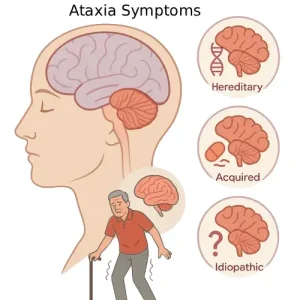
Ataxia is a neurological condition that describes poor muscle control leading to clumsy or uncoordinated movements. It can affect walking and balance, hand and arm coordination, speech, swallowing and eye movements. People with ataxia may appear unsteady, have difficulty with precise movements or struggle with everyday tasks that require coordination.
Ataxia most often results from damage to the cerebellum or the nerve pathways that connect the cerebellum to other parts of the brain and spinal cord. The cerebellum is located at the base of the brain and plays a key role in coordinating movement, balance, speech and eye control. When this area or its connections are affected, the brain has difficulty coordinating muscle activity smoothly.
Many different conditions can cause ataxia. These include genetic disorders, stroke, brain tumors, multiple sclerosis, degenerative neurological diseases and long-term alcohol misuse. Certain medications and toxins also can interfere with cerebellar function and lead to ataxia.
Treatment for ataxia depends on the underlying cause. In some cases, treating the cause can improve or reverse symptoms. Supportive treatments such as physical therapy, occupational therapy and speech therapy can help people maintain independence and quality of life. Adaptive devices, such as canes or walkers, may also be useful for improving safety and mobility.
Symptoms
Ataxia symptoms may develop gradually over time or appear suddenly, depending on the cause. In some people, ataxia is the first sign of an underlying nervous system condition. The severity and progression of symptoms vary widely.
Common symptoms of ataxia include:
-
Poor coordination of arms and legs
-
Unsteady walking or walking with feet set wide apart
-
Poor balance and frequent falls
-
Difficulty with fine motor tasks such as eating, writing or buttoning clothes
-
Changes in speech, including slurred or slow speech
-
Uncontrolled back-and-forth eye movements
-
Trouble swallowing
Symptoms may worsen over time in degenerative or hereditary forms of ataxia. Sudden onset of ataxia may suggest an urgent cause such as stroke, infection or toxin exposure.
Medical attention is recommended if ataxia develops without a known cause or if symptoms appear suddenly. Warning signs include loss of balance, new coordination problems in the arms or legs, difficulty walking, slurred speech or trouble swallowing.

Causes
Ataxia is caused by damage to the cerebellum or the nerve pathways connected to it. The cerebellum helps control balance, eye movements, speech and swallowing, and damage to this area interferes with smooth, coordinated movement.
Causes of ataxia are generally grouped into acquired, degenerative and hereditary categories.
Acquired causes of ataxia include:
-
Long-term excessive alcohol use, which can damage the cerebellum
-
Certain medicines, including sedatives, benzodiazepines, anti-seizure drugs and some chemotherapy treatments
-
Exposure to toxins such as lead, mercury or industrial solvents
-
Vitamin deficiencies, especially vitamin E, vitamin B-12 and vitamin B-1, as well as too little or too much vitamin B-6
-
Thyroid disorders such as hypothyroidism or hypoparathyroidism
-
Stroke, due to either blocked blood flow or bleeding in the brain
-
Multiple sclerosis
-
Autoimmune diseases such as celiac disease, sarcoidosis and some forms of encephalomyelitis
-
Viral and bacterial infections, including chickenpox in children, HIV and Lyme disease
-
Severe COVID-19 infection
-
Paraneoplastic syndromes related to cancer
-
Brain abscesses or tumors
-
Head injury
-
Cerebral palsy resulting from early brain injury
Degenerative causes of ataxia include conditions that cause progressive nerve cell damage, such as multiple system atrophy. These disorders often worsen over time and may affect other body functions, including blood pressure and bladder control.
Hereditary causes of ataxia result from genetic changes passed down in families. These changes lead to abnormal proteins that damage nerve cells, particularly in the cerebellum and spinal cord. Coordination problems gradually worsen as nerve cells degenerate.
Hereditary ataxias may follow an autosomal dominant or autosomal recessive inheritance pattern. Different genetic changes cause different types of ataxia, each with its own features and rate of progression.
Examples of hereditary ataxias include spinocerebellar ataxias, episodic ataxia, Friedreich ataxia, RFC1-associated ataxia, ataxia-telangiectasia, congenital cerebellar ataxia and Wilson’s disease.
Risk factors
Several factors may increase the risk of developing ataxia. Some risk factors are related to genetics, while others are linked to medical conditions or environmental exposures.
Risk factors for ataxia include:
-
A family history of ataxia or inherited neurological disorders
-
Long-term heavy alcohol use
-
Thyroid disorders such as hypothyroidism or hypoparathyroidism
-
Multiple sclerosis
-
Autoimmune conditions such as celiac disease or sarcoidosis
-
Degenerative neurological diseases such as multiple system atrophy
-
Paraneoplastic syndromes associated with cancer
-
Use of medicines that affect the nervous system, including sedatives and anti-seizure drugs
-
Exposure to heavy metals or industrial solvents
-
Vitamin deficiencies, particularly vitamins E, B-6, B-12 and B-1, or excess vitamin B-6
Complications
Ataxia can lead to complications that affect daily life, safety and overall health. These complications depend on the severity and progression of the condition.
Possible complications include:
-
Frequent falls and injuries due to poor balance
-
Difficulty performing daily activities independently
-
Speech and swallowing problems that may affect communication and nutrition
-
Fatigue and reduced endurance
-
Progressive disability in degenerative or hereditary forms of ataxia
-
Increased risk of infections or other illnesses in certain inherited conditions
Supportive care, rehabilitation therapies and assistive devices can help reduce complications and improve function.
Prevention
There is no guaranteed way to prevent ataxia, especially when it is caused by genetic or degenerative conditions. However, some steps may reduce the risk of acquired ataxia or help prevent symptom worsening.
Preventive measures may include:
-
Avoiding excessive alcohol use
-
Using medications only as prescribed and under medical supervision
-
Reducing exposure to toxins such as heavy metals and solvents
-
Maintaining adequate intake of essential vitamins through diet or supplements when needed
-
Managing underlying medical conditions such as thyroid disease or autoimmune disorders
-
Seeking prompt medical care for new or worsening neurological symptoms
Early diagnosis and treatment of the underlying cause may help limit progression and improve outcomes in some types of ataxia.
Advertisement
