
Overview
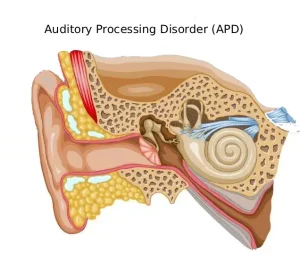
Auditory processing disorder, also known as APD, is a condition in which the brain has difficulty processing sounds, even though the ears may be working normally. Unlike other forms of hearing loss that result from damage to the ear, APD involves problems in the part of the brain responsible for interpreting sound.
Auditory processing disorder is sometimes called central auditory processing disorder, or CAPD. It can affect people of any age, but it is more commonly identified in children and older adults.
Several conditions can affect how a person understands spoken language, including attention-deficit/hyperactivity disorder and autism spectrum disorder. While these conditions may occur alongside auditory processing disorder, they are not the same. APD can also exist together with other types of hearing loss.
There is no cure for auditory processing disorder. However, treatment strategies and supportive therapies can help improve listening skills and communication.
Symptoms
Symptoms of auditory processing disorder can vary and are sometimes difficult to notice. Common difficulties include problems with:
-
Identifying where sounds are coming from
-
Understanding speech that is fast or spoken in noisy environments
-
Paying attention for long periods
-
Reading and spelling
-
Following directions unless they are brief and simple
-
Learning a new language
-
Singing or enjoying music
-
Understanding and remembering spoken information
People with auditory processing disorder may also:
-
Take longer than usual to respond during conversations
-
Frequently ask others to repeat what they said
-
Have difficulty understanding jokes or sarcasm
Auditory processing disorder often appears alongside attention, language, or learning challenges, including those seen in attention-deficit/hyperactivity disorder.
When to see a doctor
If you notice ongoing problems with hearing or understanding spoken information, consider making an appointment with a healthcare professional for evaluation.
Causes
In some cases, the cause of auditory processing disorder is not known. The condition has been linked to several medical and developmental factors. In older adults, causes may include stroke or head injury. In children, auditory processing disorder may be associated with factors present at birth, such as premature birth or low birth weight, as well as frequent ear infections during early childhood.
With typical hearing, sound signals travel from the ears to the auditory centers of the brain, where they are interpreted into recognizable sounds. In auditory processing disorder, the brain has difficulty interpreting these signals correctly.
Risk factors
Factors that may increase the risk of developing auditory processing disorder include:
-
Increasing age
-
Stroke
-
Head injury
-
Lead exposure
-
Seizure disorders
-
Birth-related factors such as premature birth, low birth weight, or exposure to alcohol, drugs, or tobacco during pregnancy
-
Repeated ear infections, especially in early childhood
Complications
Auditory processing disorder can affect daily life and overall well-being. Possible complications include:
-
Difficulty understanding spoken communication
-
Challenges participating in social or group activities
-
Feelings of isolation or loneliness
-
Reading and writing difficulties, particularly in children
-
Poor academic performance
-
Emotional concerns such as frustration or depression
Advertisement
