
Overview
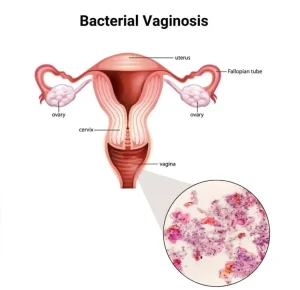
Bacterial vaginosis is a common vaginal condition caused by an imbalance in the natural bacteria found in the vagina. It occurs when harmful bacteria overgrow and reduce the number of beneficial lactobacilli that normally help maintain vaginal health. Bacterial vaginosis is most common in women of reproductive age and is not considered a sexually transmitted infection, though sexual activity can increase the risk. Some women may have no symptoms, while others experience noticeable vaginal changes.
Symptoms
Symptoms of bacterial vaginosis can vary in intensity and may be absent in some individuals. When present, symptoms may include:
-
Thin, grayish-white vaginal discharge
-
Strong, fishy vaginal odor, especially after sexual intercourse
-
Vaginal itching or irritation
-
Burning sensation during urination
Bacterial vaginosis typically does not cause significant pain or inflammation of the vagina.
Causes
Bacterial vaginosis develops when the balance of bacteria in the vagina is disrupted. Factors that may contribute to this imbalance include:
-
Overgrowth of anaerobic bacteria
-
Reduction in protective lactobacilli
-
Changes in vaginal pH
-
Frequent vaginal douching
The exact reason for these bacterial changes is not always clear, and the condition can occur without any obvious trigger.
Risk factors
Several factors can increase the likelihood of developing bacterial vaginosis. These include:
-
Having new or multiple sexual partners
-
Lack of condom use
-
Vaginal douching or use of scented hygiene products
-
Natural hormonal changes
-
Use of intrauterine devices for contraception
Bacterial vaginosis can occur in women who are not sexually active.
Complications
If left untreated, bacterial vaginosis may lead to complications, particularly in certain populations. Possible complications include:
-
Increased risk of sexually transmitted infections
-
Higher likelihood of pelvic inflammatory disease
-
Complications during pregnancy, such as preterm birth or low birth weight
-
Increased risk of infection after gynecologic procedures
Early diagnosis and appropriate treatment can help reduce the risk of these complications.
Prevention
Bacterial vaginosis cannot always be prevented, but certain habits may help reduce the risk of recurrence. Preventive measures include:
-
Avoiding vaginal douching
-
Limiting the number of sexual partners
-
Using condoms consistently
-
Avoiding scented soaps or vaginal products
-
Maintaining good genital hygiene with gentle, unscented products
Paying attention to vaginal health and seeking medical advice when symptoms occur can help manage and prevent bacterial vaginosis.
Advertisement
