
Overview
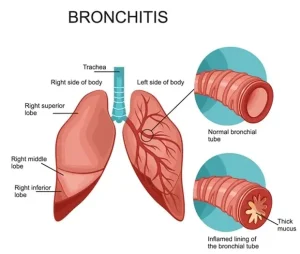
Acute Bronchitis Diagnosis
-
Physical Examination
-
During the early stages of acute bronchitis, symptoms can resemble a common cold.
-
Your doctor will use a stethoscope to listen to your lungs for wheezing, crackling, or other abnormal sounds.
-
-
When Additional Tests Are Needed
-
Tests may be recommended if symptoms are severe, persistent, or if your doctor suspects pneumonia or another lung condition.
-
-
Common Diagnostic Tests
-
Chest X-ray: Helps rule out pneumonia or other lung conditions, especially for smokers or former smokers.
-
Sputum Tests: Analysis of mucus you cough up can detect bacterial infections or signs of allergies.
-
Pulmonary Function Test (Spirometry): Measures lung capacity and airflow to check for asthma, chronic bronchitis, or emphysema.
-
Acute Bronchitis Treatment
-
Self-Care and Home Measures
-
Most cases resolve on their own within 1–2 weeks without the need for medical treatment.
-
Rest, hydration, and avoiding irritants like smoke can support recovery.
-
-
Medications
-
Cough Medicine: Suppressants may help if coughing prevents sleep.
-
Inhalers and Other Medications: For patients with allergies, asthma, or COPD, inhalers can reduce inflammation and open airways.
-
Antibiotics: Usually not needed because acute bronchitis is often viral. Antibiotics are only prescribed if a bacterial infection is suspected.
-
-
Therapies for Chronic Bronchitis
-
Pulmonary Rehabilitation: Breathing exercises taught by a respiratory therapist to improve lung function and physical activity.
-
Oxygen Therapy: Provides additional oxygen to help patients breathe more easily.
-
When to See a Doctor
-
Seek medical attention if you notice:
-
High fever or worsening cough
-
Shortness of breath or wheezing
-
Coughing up blood or green/yellow mucus
-
Symptoms lasting more than 3 weeks
-
Advertisement
