
Overview
Diagnosis
To diagnose cataracts, your eye doctor will begin by reviewing your medical history and discussing any vision changes or symptoms you may be experiencing. A thorough eye examination is then performed, which may include several key tests.
Vision Test
A vision test, also known as a visual acuity test, is used to measure how well you can read letters on an eye chart. Each eye is tested separately while the other is covered. The chart or viewing device has letters that gradually become smaller, helping the doctor determine whether you have normal 20/20 vision or if your eyesight is reduced due to cataracts.
Eye Structure Exam
An eye structure exam, or slit-lamp examination, allows the doctor to closely examine the structures at the front of your eye. The slit lamp uses a narrow beam of light to illuminate specific areas of the eye, making it easier to detect early signs of cataracts or other eye conditions.
Retinal Exam
A retinal exam focuses on the back part of your eye, called the retina. To perform this exam, your eye doctor uses special eye drops to dilate your pupils. Once your pupils are dilated, the doctor examines your lens and retina using a slit lamp or ophthalmoscope to check for signs of cataracts and other possible eye diseases.
Fluid Pressure Test
A fluid pressure test, also known as applanation tonometry, measures the pressure inside your eye. This test helps rule out other conditions, such as glaucoma, that can sometimes cause similar symptoms or complications.
Treatment
When prescription glasses or contact lenses no longer provide clear vision, surgery becomes the only effective treatment for cataracts.
When to Consider Cataract Surgery
You should consider cataract surgery when the condition begins to interfere with your daily life or activities. This may include difficulty reading, driving at night, or performing routine tasks. Although cataracts typically progress slowly and do not immediately harm the eyes, certain health conditions such as diabetes, high blood pressure, or obesity can cause them to worsen faster.
There is generally no rush to undergo surgery, and waiting does not usually affect the outcome of your vision recovery. Discuss the benefits, potential risks, and timing of cataract surgery with your eye doctor to make an informed decision.
If you choose to delay surgery, your doctor may recommend regular follow-up visits to monitor the progression of your cataracts. The frequency of these visits will depend on your individual condition.
What Happens During Cataract Surgery
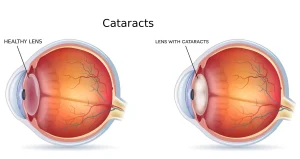
Cataract surgery involves removing the clouded natural lens of the eye and replacing it with a clear artificial lens, known as an intraocular lens. This new lens becomes a permanent part of the eye and restores clear vision.
For some patients, artificial lenses may not be suitable. In such cases, vision can be corrected with eyeglasses or contact lenses after the cataract is removed.
Cataract surgery is usually performed on an outpatient basis, meaning you can go home the same day. The procedure is done under local anesthesia to numb the area around the eye, and patients typically remain awake during the operation.
The surgery is generally safe, but like all procedures, it carries some risks, including infection, bleeding, or retinal detachment. After surgery, mild soreness is common and usually subsides within a few days. Most patients experience full healing within a few weeks.
If both eyes require cataract surgery, the procedures are performed separately, with the second surgery scheduled once the first eye has healed completely.
Advertisement
