
Overview
Diagnosis
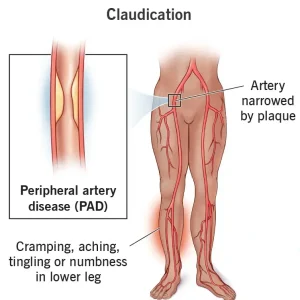
Claudication is often overlooked because many people mistake the pain for a normal part of aging or limit their activity to avoid discomfort. Diagnosis typically involves a review of symptoms, physical examination, and tests to assess blood flow and detect peripheral artery disease.
Tests
Tests commonly used to diagnose claudication include:
-
Pulse measurement in the hands or feet to assess blood flow in the limbs
-
Ankle-brachial index to compare blood pressure in the ankles and arms
-
Segmental blood pressure measurement to locate arterial damage
-
Exercise testing to determine walking endurance before pain occurs
-
Doppler ultrasound to visualize blood flow
-
MRI or CT angiography to identify narrowed blood vessels
Treatment
The main goals of treatment are to relieve pain, restore mobility, and reduce cardiovascular risk factors.
Exercise therapy
Exercise is a key part of treatment and helps improve circulation, reduce symptoms, and enhance quality of life. Recommended walking programs typically involve:
-
Walking until moderate pain occurs
-
Resting until pain eases
-
Repeating this cycle for 30 to 45 minutes
-
Exercising at least three days per week
Supervised programs are ideal at the start, followed by continued home-based exercise.
Medications
Medicines may be prescribed to manage symptoms and underlying risk factors such as:
-
Cilostazol to improve blood flow and reduce exercise pain
-
Statins to lower cholesterol and improve walking distance
-
Blood pressure medicines to reduce cardiovascular risk
-
Anti-platelet drugs like aspirin or clopidogrel to prevent blood clots
Surgery and procedures
If symptoms persist despite medical therapy, surgical options may include:
-
Angioplasty to widen narrowed arteries using a balloon and possibly a stent
-
Vascular bypass surgery using a healthy vessel from another body part to reroute blood flow
Self-care
Lifestyle changes are essential for long-term management:
-
Quit smoking to reduce vascular damage
-
Follow a regular exercise plan
-
Eat a balanced diet rich in vegetables, fruits, whole grains, and lean proteins
-
Practice proper foot care and inspect feet daily for injuries
Coping and support
Learning about the condition and joining support groups can help manage symptoms and provide motivation.
Preparing for your appointment
Before visiting your healthcare provider:
-
Record your symptoms, their duration, and what triggers or relieves them
-
Bring a list of all medications and supplements you take
-
Note any family history of cardiovascular disease
-
Consider bringing a friend or family member to help recall information
Asking questions and taking notes during your appointment ensures you understand your diagnosis and treatment plan.
Advertisement
