
Overview
Diagnosis
Congenital heart disease in adults may be discovered during a routine physical exam, or when symptoms such as shortness of breath, fatigue, or irregular heartbeat appear. Some adults may not know they have a heart defect until later in life.
Tests used to diagnose congenital heart disease in adults include:
-
Echocardiogram to view heart structure and blood flow
-
Electrocardiogram (ECG or EKG) to record heart rhythm
-
Chest X-ray to check heart size and lung condition
-
Cardiac MRI for detailed 3D heart images
-
Cardiac catheterization to measure heart pressures and oxygen levels
-
Pulse oximetry to check blood oxygen saturation
These tests help doctors assess how well the heart is functioning and determine the best treatment approach.
Treatment
Treatment for congenital heart disease in adults depends on the type and severity of the defect, symptoms, and previous treatments received during childhood. Some conditions may only need monitoring, while others require medical or surgical intervention.
Treatment options include:
-
Medications to control heart rate, blood pressure, or prevent blood clots
-
Catheter-based procedures to repair narrowed or leaky heart valves and close abnormal openings
-
Open-heart surgery to repair or replace damaged structures
-
Heart transplant in severe or unrepairable cases
Lifestyle changes such as maintaining a healthy weight, avoiding smoking, eating a heart-healthy diet, and regular exercise under medical supervision are also recommended.
Long-term Management
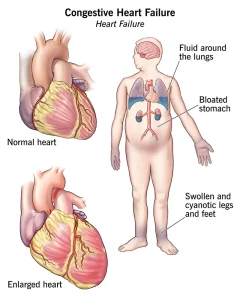
Adults with congenital heart disease need lifelong follow-up care with a cardiologist who specializes in congenital heart conditions. Regular monitoring helps detect complications such as arrhythmias, heart failure, or valve problems early.
Women with congenital heart disease who plan to become pregnant should seek pre-pregnancy counseling to assess risks and plan safe care during pregnancy.
Vaccinations, including the flu and pneumonia vaccines, are advised to help prevent infections that can strain the heart.
Advertisement
