
Overview
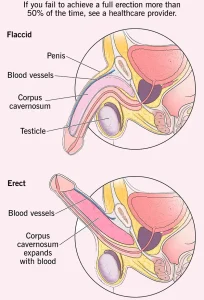
Diagnosis
Diagnosing erectile dysfunction (ED) typically involves a combination of a physical exam, a review of your medical and sexual history, and sometimes additional tests to determine any underlying causes.
Common diagnostic tests include:
-
Physical exam: The healthcare provider examines the penis and testicles to look for structural or nerve-related problems.
-
Blood tests: A blood sample can help identify underlying conditions such as heart disease, diabetes, or low testosterone levels.
-
Urine tests (urinalysis): These can detect signs of diabetes and other health conditions that may contribute to ED.
-
Ultrasound: This imaging test uses sound waves to assess blood flow in the penile blood vessels. Often, a medication is injected into the penis during the test to increase blood flow and help evaluate erectile function.
-
Mental health exam: Since emotional and psychological factors can cause or worsen ED, your healthcare provider may screen for depression, stress, or anxiety.
Treatment
Treatment for erectile dysfunction depends on the underlying cause, severity, and your overall health. In many cases, a combination of treatments works best.
1. Oral medicines
Several oral medications improve blood flow to the penis, helping achieve an erection in response to sexual stimulation. These include:
-
Sildenafil (Viagra, Revatio)
-
Tadalafil (Cialis, Adcirca)
-
Vardenafil
-
Avanafil (Stendra)
These medications work by relaxing penile muscles and enhancing blood flow. They do not cause an erection automatically — sexual arousal is still necessary.
Possible side effects: flushing, nasal congestion, headache, vision changes, backache, and indigestion.
Avoid use if you:
-
Take nitrate medications for chest pain (angina).
-
Have heart disease or low blood pressure (hypotension).
Always consult your healthcare provider before starting any ED medicine, including herbal or over-the-counter supplements.
2. Other medicines
-
Self-injection therapy: A fine needle is used to inject alprostadil (Caverject, Edex) into the penis. Some injections combine multiple drugs (BiMix, TriMix). The erection lasts about an hour. Side effects may include mild pain, bleeding, or prolonged erection (priapism).
-
Intraurethral medicine: Medication is inserted into the urethra using a special applicator. The erection usually begins within 10 minutes and lasts 30–60 minutes. Side effects include mild burning or bleeding.
-
Testosterone replacement: If low testosterone contributes to ED, hormone therapy may improve symptoms, often combined with other treatments.
3. Penis pumps and implants
-
Penis pump (vacuum erection device): A plastic tube fits over the penis, and a pump creates a vacuum that draws blood in. A tension ring is then placed at the base to maintain the erection.
-
Benefits: Non-surgical and drug-free option.
-
Risks: Bruising, cold sensation, or weakened ejaculation.
-
-
Penile implants: Surgical implants (inflatable or semi-rigid rods) are placed inside the penis. Inflatable devices allow control over when to have an erection.
-
Typically suggested only when other treatments fail.
-
Risks: Surgical infection or mechanical failure.
-
4. Counseling
If stress, anxiety, depression, or relationship problems contribute to ED, counseling can be beneficial. Couples therapy may also help improve communication and reduce sexual performance anxiety.
Advertisement
