
Overview
Diagnosis
Diagnosing fetal alcohol syndrome requires an evaluation by a healthcare professional experienced in recognizing the condition. Early detection and intervention can greatly improve a child’s ability to function and adapt as they grow.
Diagnosis typically involves:
-
Discussing alcohol use during pregnancy. It’s important to be open and honest with your healthcare professional about drinking during pregnancy. This information helps determine the likelihood of fetal alcohol syndrome and allows for appropriate monitoring during pregnancy.
-
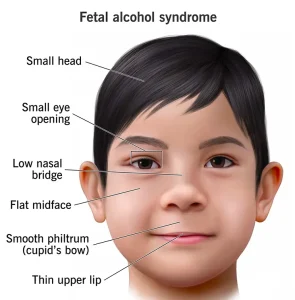
Observing the child’s development after birth. In the first months and years of life, your child’s healthcare provider will monitor physical features and developmental progress for signs of fetal alcohol syndrome.
Over time, the healthcare provider will track potential issues in:
-
Physical growth and development
-
Thinking, learning, and language skills
-
General health
-
Social interaction and behavior
Because many features of fetal alcohol syndrome overlap with other developmental disorders, a specialist such as a developmental pediatrician, neurologist, or geneticist may perform a detailed evaluation. This helps rule out other conditions and confirm the diagnosis.
Fetal alcohol spectrum disorders
Fetal alcohol spectrum disorders (FASDs) represent a range of effects that can occur in children whose mothers consumed alcohol during pregnancy. The severity and type of symptoms vary widely, affecting physical, behavioral, and cognitive development.
The range includes:
-
Fetal alcohol syndrome (FAS): The most severe form, involving physical abnormalities, growth problems, and intellectual or behavioral challenges.
-
Alcohol-related neurodevelopmental disorder (ARND): Characterized by learning difficulties and behavioral issues, but without physical changes.
-
Alcohol-related birth defects (ARBD): Involves birth defects affecting organs such as the heart, kidneys, bones, eyes, or ears.
-
Neurobehavioral disorder associated with prenatal alcohol exposure (ND-PAE): Involves challenges with memory, behavior, and daily functioning.
-
Partial fetal alcohol syndrome (PFAS): Includes some but not all features of full fetal alcohol syndrome.
If one child in a family is diagnosed with fetal alcohol syndrome, healthcare professionals may recommend that siblings be evaluated, especially if alcohol use occurred in other pregnancies.
Treatment
There is no cure for fetal alcohol syndrome, as the effects of prenatal alcohol exposure are lifelong. However, early and consistent intervention can help reduce the severity of symptoms and support better development and independence.
Intervention and support services may include:
-
Medical care for associated health problems such as vision, hearing, or heart conditions. Medications may help manage certain behavioral or emotional symptoms.
-
Early intervention specialists such as speech, physical, and occupational therapists to assist with language, movement, and social development.
-
Special education services and psychological support to address learning and behavioral challenges.
-
Vocational rehabilitation programs to help older children and adults develop job skills and maintain employment.
-
Life skills training focused on communication, problem-solving, and decision-making for greater independence.
-
Mental health counseling for families to help them manage stress and understand behavioral issues.
-
Substance misuse counseling for parents when needed, to ensure ongoing support and prevent future alcohol-related pregnancies.
Treatment for alcohol misuse
Addressing the mother’s alcohol misuse is a key part of managing fetal alcohol syndrome and preventing future cases. Seeking professional help for alcohol or drug use is an important step toward recovery and better parenting.
Treatment options may include:
-
Individual or group counseling for substance misuse
-
Inpatient or outpatient treatment programs
-
Participation in support groups such as Alcoholics Anonymous
Early and sustained support can help both parents and children live healthier, more stable lives.
Request an appointment
Advertisement
