
Overview
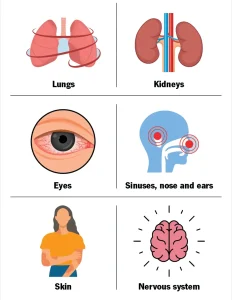
Diagnosis
Granulomatosis with polyangiitis (GPA) is diagnosed through a combination of medical history, physical exams, and specialized tests.
Lab tests
Blood and urine tests may be performed to detect signs of inflammation, immune system activity, and kidney function:
-
C-reactive protein (CRP) and erythrocyte sedimentation rate (sed rate): High levels indicate inflammation
-
Antineutrophil cytoplasmic antibodies (ANCA): Proteins that mistakenly attack white blood cells; present in most people with GPA
-
Blood cell counts: Low red blood cell levels (anemia) may be observed
-
Urinalysis: Detects red blood cells or excess protein, which can indicate kidney involvement
Imaging tests
Imaging helps identify organ involvement, especially in the lungs and head or neck:
-
Chest X-rays
-
CT scans: Provide detailed images of organs and can monitor treatment effectiveness
Biopsy
A tissue sample from the affected area, such as the lungs, skin, kidneys, or nasal passages, is examined under a microscope to confirm inflammation or damage and establish a definitive diagnosis.
Treatment
Treatment for GPA aims to control the disease, prevent relapse, and manage symptoms. Care usually involves multiple specialists depending on the organs affected.
Medications
-
Corticosteroids: Reduce inflammation and immune response; side effects may include weight gain, infection risk, and bone thinning
-
Immune-suppressing medications: Used to control GPA and maintain remission, including:
-
Rituximab
-
Azathioprine
-
Mycophenolate
-
Methotrexate
-
Cyclophosphamide
-
Avacopan
-
Long-term maintenance therapy often involves medications such as rituximab, methotrexate, azathioprine, or mycophenolate to prevent relapse. These medications may increase the risk of infection, and supportive treatments may be prescribed to reduce side effects.
Plasma exchange (plasmapheresis)
-
Removes the plasma portion of blood, which may contain disease-related proteins
-
Replaces plasma with fresh plasma or albumin to support new plasma production
-
Typically used in severe cases to protect kidney function
Early diagnosis and treatment improve outcomes, allowing many people with GPA to lead full and active lives.
Advertisement
