
Overview
Diagnosis
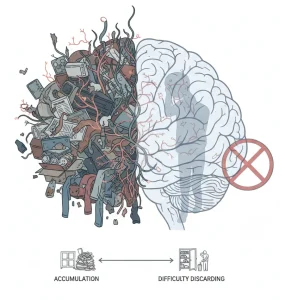
Hoarding disorder is often discovered when people seek help for other issues such as anxiety, depression, or relationship difficulties. To diagnose hoarding disorder, it’s important to consult a mental health professional who specializes in this condition. Diagnosis involves a detailed mental health evaluation that explores your emotional well-being, thought patterns, and behaviors related to collecting and saving items.
Your provider will assess how clutter affects your daily life, safety, and relationships. You may be asked about your beliefs surrounding possessions and your ability to let go of items.
Additional steps may include:
-
Permission for your provider to talk with family members or friends for more context
-
Review of photos or videos showing affected living spaces
-
Screening for other mental health conditions such as obsessive-compulsive disorder (OCD), depression, or anxiety
These steps help create a clear understanding of the severity of the disorder and how it impacts your overall functioning.
Treatment
Hoarding disorder treatment can be challenging but is effective with ongoing effort and support. Many people may not realize the negative impact of their behavior or may feel emotionally attached to their possessions, making it difficult to seek help.
The primary treatment for hoarding disorder is cognitive behavioral therapy (CBT), which focuses on changing unhelpful thoughts and behaviors. Medications may also be prescribed if anxiety or depression is present.
Cognitive Behavioral Therapy (CBT)
CBT is the main therapy for hoarding disorder. Working with a therapist experienced in this area can help you develop skills to manage the condition.
Therapy may include:
-
Identifying and challenging thoughts that encourage saving or acquiring items
-
Learning to resist the urge to collect more possessions
-
Organizing and categorizing belongings to decide which to keep, donate, or discard
-
Improving decision-making and problem-solving skills
-
Participating in home visits with a therapist or professional organizer to remove clutter
-
Reducing isolation by engaging in social activities and support groups
-
Increasing motivation to change and maintain progress
-
Participating in family or group therapy for additional support
In many cases, family, friends, or community agencies play an important role in helping remove clutter, especially for older adults or individuals with health issues that make it difficult to manage on their own.
Children with Hoarding Disorder
When children show signs of hoarding disorder, involving parents in treatment is crucial. Some parents may unintentionally enable hoarding behaviors to avoid conflict or ease anxiety, but this can worsen the condition.
Parental support should focus on:
-
Working with a therapist to set healthy limits on collecting behavior
-
Learning strategies to respond calmly and consistently to their child’s needs
-
Encouraging gradual change rather than sudden removal of items
Medicines
While CBT remains the first-line treatment, medications can help if anxiety or depression is also present. Currently, no medicines are specifically approved by the FDA for hoarding disorder.
Commonly prescribed medications include:
-
Selective serotonin reuptake inhibitors (SSRIs), a type of antidepressant that can reduce anxiety and obsessive thoughts
Ongoing research continues to explore how medications can best support people with hoarding disorder, particularly when combined with therapy for long-term results.
Advertisement
