
Overview
Diagnosis
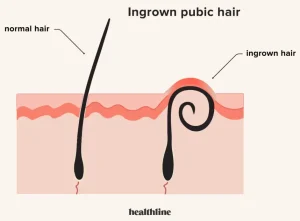
Diagnosis of ingrown hair is usually based on a physical examination. A healthcare professional looks closely at the affected skin and may ask about your shaving, waxing or other hair removal habits. These details help identify patterns that increase the risk of hairs growing back into the skin.
Treatment
Treatment for ingrown hair focuses on reducing irritation and preventing new ingrown hairs. The first step is often to stop shaving, tweezing or waxing until the skin improves. This may take 1 to 6 months. During this time, trimming hair with scissors or electric clippers is a safer option. Shaving should only be restarted once the skin is fully clear.
If avoiding hair removal is not possible or symptoms continue, additional treatments may be recommended.
Medications
Medications may help control inflammation, reduce infection and decrease hair growth.
Common options include:
• Drugs that help remove dead skin cells, such as tretinoin cream or glycolic acid lotion, which support exfoliation and reduce the chance of hairs curling inward.
• Creams to calm the skin, including steroid creams that ease irritation and itching.
• Creams or pills to manage infection, with topical antibiotics for mild cases and oral antibiotics for more serious infections.
• Creams to decrease hair growth, such as eflornithine, which may be used along with other hair removal methods.
Laser Hair Removal and Electrolysis
Laser-assisted hair removal may be recommended for long-term control of ingrown hairs. This method targets hair roots deeper than shaving or waxing and slows hair regrowth. Electrolysis is another option, but lasers are often preferred for larger areas.
Possible side effects of laser treatment include blistering, scarring and changes in skin color. Your healthcare professional can help determine the safest and most effective approach based on your skin type and hair growth pattern.
Advertisement
