
Overview
Diagnosis
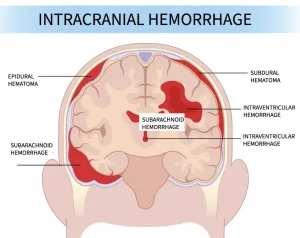
Diagnosis of an intracranial hematoma can be challenging because symptoms may not appear immediately after a head injury. Healthcare professionals typically assume internal bleeding is present if someone loses consciousness after a head injury until proven otherwise. Imaging tests are the most effective way to identify the location and size of a hematoma.
Common diagnostic tests include:
-
CT scan
-
MRI scan
-
Angiogram
These imaging techniques help evaluate brain structures, detect bleeding and assess any issues with blood vessels such as aneurysms.
Treatment
Treatment depends on the size, location and severity of the intracranial hematoma. Small hematomas without symptoms may not need removal but require close monitoring. This may include repeated CT scans, neurological evaluations and intracranial pressure checks. If someone is taking blood-thinning medication, treatment may be needed to reverse its effects using options such as vitamin K or plasma.
Surgery
Surgery is often required for larger hematomas or when symptoms worsen. Different surgical procedures include:
-
Surgical drainage through a small hole in the skull
-
Craniotomy, which involves removing part of the skull to clear the accumulated blood
The choice of procedure depends on how much blood is present and its consistency.
Recovery
Recovery from an intracranial hematoma can be slow, and full recovery is not always guaranteed. Most improvement occurs within the first six months after the injury. Long-term symptoms may require rehabilitation therapies, including occupational therapy and physical therapy, to support daily functioning and mobility.
Advertisement
