
Overview
Diagnosis
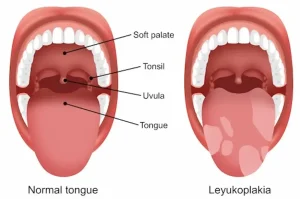
Most cases of leukoplakia are identified during a routine visit to a doctor, dentist, or another healthcare professional. Diagnosis usually involves several steps to confirm the cause of the white patches and rule out other conditions.
Evaluating the patches
Healthcare professionals typically begin by looking closely at the patches in the mouth and attempting to wipe them off. They also discuss your medical history, habits, and risk factors to understand possible causes.
Ruling out other conditions
Other potential causes of white patches are considered and ruled out to ensure an accurate diagnosis.
Testing for cancer
A biopsy is often recommended to check for early signs of cancer. Types of biopsies include:
-
Oral brush biopsy, where surface cells are collected using a spinning brush. This test may not always provide a definite diagnosis.
-
Excisional biopsy, where a small tissue sample is removed from the patch. If the patch is small, it may be removed entirely. This method usually gives a clear diagnosis.
If cancer is found and the entire patch was removed during the excisional biopsy, further treatment may not be necessary. Large patches or those not fully removed may require evaluation by an oral surgeon or ENT specialist.
Hairy leukoplakia
If hairy leukoplakia is diagnosed, additional tests may be done to look for conditions that weaken the immune system.
Treatment
Early detection provides the best chance for successful treatment. Regular dental or medical checkups and self-examination of the mouth for new or changing patches are important.
For many people, removing the source of irritation leads to improvement. This often includes stopping tobacco use or reducing alcohol consumption.
If lifestyle changes do not help or early cancer changes are found, treatment may include:
-
Surgical removal of leukoplakia patches using a small knife, laser, heat tool, or a device that uses extreme cold.
-
Follow-up visits to monitor the area, since leukoplakia can return.
Treating hairy leukoplakia
Most people do not need treatment for hairy leukoplakia because it usually does not cause symptoms or lead to mouth cancer. When treatment is recommended, it may involve:
-
Medicines such as antiviral drugs taken by mouth or treatments applied directly to the patch.
-
Follow-up appointments, since white patches can return after treatment is stopped.
Advertisement
