
Overview
Diagnosis
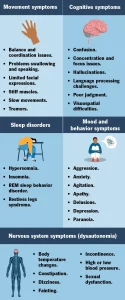
Lewy body dementia is diagnosed based on a gradual decline in thinking ability along with at least two key symptoms such as changes in alertness, visual hallucinations, movement problems or REM sleep behavior disorder. Additional symptoms involving the autonomic nervous system, such as problems regulating blood pressure, heart rate or body temperature, can also support the diagnosis. Sensitivity to certain antipsychotic medicines further strengthens the suspicion of LBD. Since no single test can confirm the condition, diagnosis relies on symptoms and by ruling out other causes through a range of evaluations.
Neurological and physical exam
A healthcare professional may perform a neurological exam to look for signs of Parkinson’s disease, strokes, tumors or other neurological conditions. This exam typically checks reflexes, strength, walking, muscle tone, eye movements, balance and sense of touch.
Test of mental abilities
Short memory and thinking assessments can identify cognitive impairment, although they cannot clearly distinguish LBD from Alzheimer’s disease. Longer and more detailed tests may provide more information and help support the diagnosis.
Blood tests
Blood tests may be used to rule out medical issues that affect brain function, including thyroid problems or vitamin B-12 deficiency.
Brain scans
Imaging tests such as MRI or CT scans can rule out strokes, bleeding or tumors. Additional brain scans may be used when the diagnosis is unclear. These may include fluorodeoxyglucose PET scans or SPECT imaging to check for reduced dopamine transporter uptake, which can indicate Lewy body dementia.
Sleep test
A polysomnogram may be recommended to detect REM sleep behavior disorder, which is strongly associated with LBD.
Autonomic function test
Testing may be done to check for stability in heart rate, blood pressure and other automatic bodily functions.
Heart test
In some countries, myocardial scintigraphy may be used to look for heart-related changes associated with LBD. This test is not used in the United States.
Emerging biomarkers
Research continues on early indicators of Lewy body dementia. New tests look for clumps of alpha-synuclein proteins in cerebrospinal fluid or skin samples. These biomarkers are available in some places but are not yet widely used.
Treatment
Although there is no cure for Lewy body dementia, symptoms can often be managed with targeted treatments that focus on thinking, behavior, movement and sleep.
Medicines
Cholinesterase inhibitors may help improve memory, alertness and thinking while reducing hallucinations and behavioral symptoms. Possible side effects include stomach issues, muscle cramps and frequent urination. Memantine may be added for moderate or severe dementia.
Parkinson’s disease medicines such as carbidopa-levodopa can help with muscle rigidity and slow movement but may increase confusion or hallucinations.
Other medicines may be prescribed to improve sleep or manage specific symptoms. Some medicines, including those containing diphenhydramine or those for urinary urgency, can worsen memory and should be avoided.
Antipsychotic medicines are typically avoided because they can cause severe reactions in people with LBD. In rare cases, very low doses of newer antipsychotics may be used for a short time if necessary.
Therapies
Nonmedicine approaches are often recommended first because of the risks associated with antipsychotics. These strategies include learning to tolerate harmless hallucinations, reducing clutter and noise in the environment, and creating simple daily routines that reduce confusion. Breaking tasks into smaller steps and offering reassurance rather than correction can help support someone living with Lewy body dementia.
Request an appointment
Advertisement
