
Overview
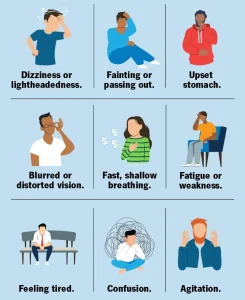
Diagnosis of Low Blood Pressure
To determine if you have low blood pressure (hypotension), your healthcare professional will perform a physical exam, ask about your medical history, and measure your blood pressure.
You can also monitor your blood pressure at home with a validated device. Home monitoring helps detect issues earlier. Ask your healthcare team to:
- Recommend a suitable blood pressure monitor
- Advise how often to check your readings
- Explain which numbers require immediate contact with the office
A reading at or just below 90/60 mm Hg is not always concerning, especially if you have no symptoms. Your healthcare professional may confirm that this level is normal for you.
Additional tests
Other tests may be performed to identify the underlying cause of low blood pressure.
Blood tests
These can reveal conditions that contribute to low blood pressure, such as low blood sugar (hypoglycemia), high blood sugar (hyperglycemia or diabetes), or a low red blood cell count (anemia).
Electrocardiogram (ECG or EKG)
This quick, painless test records the heart’s electrical activity using electrodes placed on the chest and sometimes the limbs. It detects irregular heart rates and signs of current or previous heart attacks.
Tilt table test
This test evaluates how your body responds to position changes. You lie on a table that tilts to simulate moving from lying down to standing. Heart rate and blood pressure are monitored throughout.
Treatment Options for Low Blood Pressure
Low blood pressure that causes no symptoms or only mild symptoms rarely needs treatment.
If symptoms occur, treatment targets the underlying cause. For example, if a medicine is responsible, your healthcare professional may adjust the dose, change the medicine, or stop it (never make changes without guidance).
When the cause is unclear or untreatable, the focus is on raising blood pressure and reducing symptoms through:
Use more salt
For people with low blood pressure, increasing salt intake can help raise blood pressure. Always consult your healthcare professional first, as excess sodium can be harmful, especially in older adults.
Drink more water
Extra fluids increase blood volume and prevent dehydration, both important for managing hypotension.
Wear compression stockings
These elastic stockings (or abdominal compression binders) improve blood flow from the legs to the heart and reduce pooling of blood in the lower body.
Medicines
Several medications are available, especially for orthostatic hypotension (low blood pressure when standing):
- Fludrocortisone increases blood volume
- Midodrine (Orvaten) restricts blood vessel expansion to raise standing blood pressure
Advertisement
